How to Choose the Perfect Minimalist Sculpture for Your Living Room
This blog explains how to choose the perfect minimalist sculpture for a living room in a simple way. It covers material, size, placement, texture, and balance in interiors. The guide helps readers understand how sculptures interact with space and light, and how the right piece can improve the overall mood and structure of a modern living room without clutter.
There is always one element that quietly brings a living room together. It is not always furniture or lighting. More often, it is a sculpture placed with intention. It adds shape, balance, and a calm visual anchor in the space.
Today, many people prefer to minimalist decor sculpture for sale for interiors that feel natural and steady. A well-chosen piece does not just fill space, it settles it. The real question is not what to pick, but what actually feels right and belongs in your room without forcing attention.
1. Start by understanding your room, not the object
Before choosing a sculpture, take a calm look at your living room and notice a few basics:
- Is the space open or compact
- Is the furniture soft, curved, or more structured
- Are the wall and décor colors neutral or bold
- Does the room feel calm, balanced, or visually busy
- Where is the natural empty space in the room
A minimalist sculpture should always respond to the room, not fight it. Simple forms work better in active spaces. Slightly stronger sculptural presence works better in plain or minimal rooms.
2. Let material guide the mood
Material plays a key role in sculpture selection. It quietly shapes how a room feels.
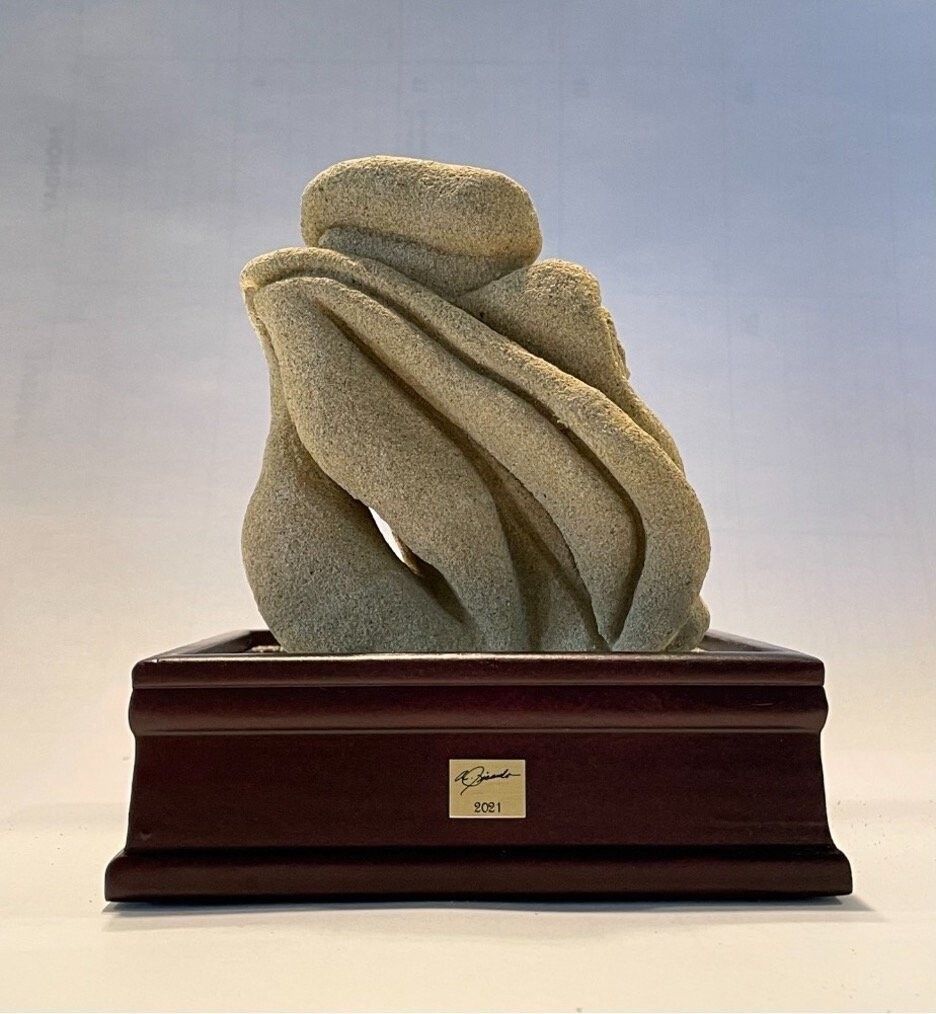
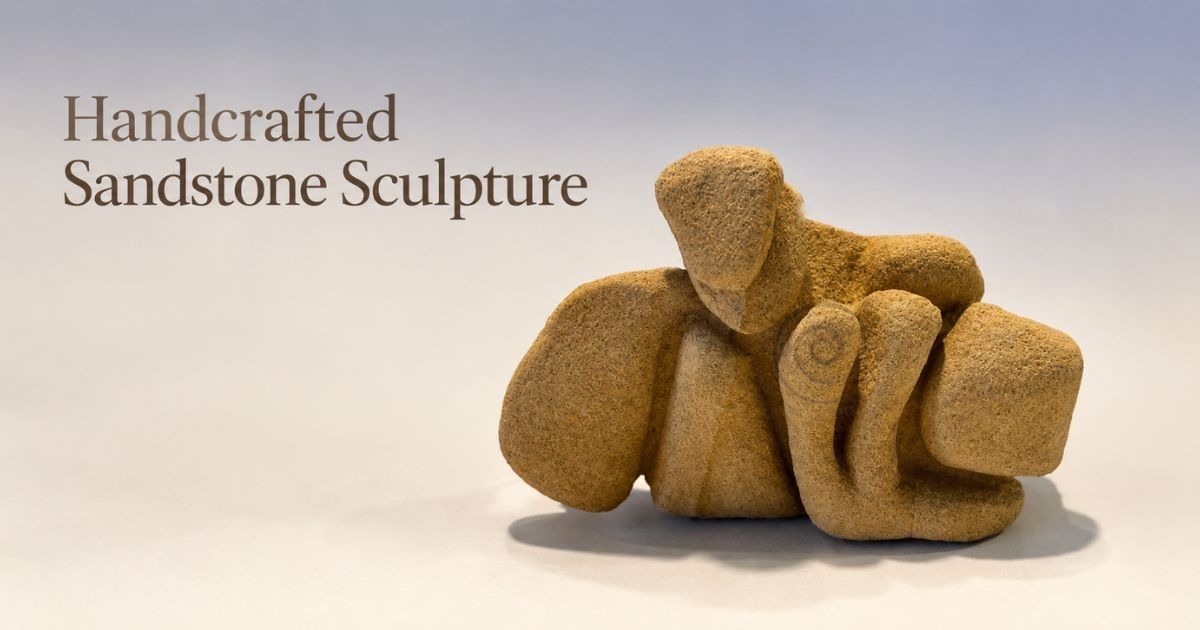
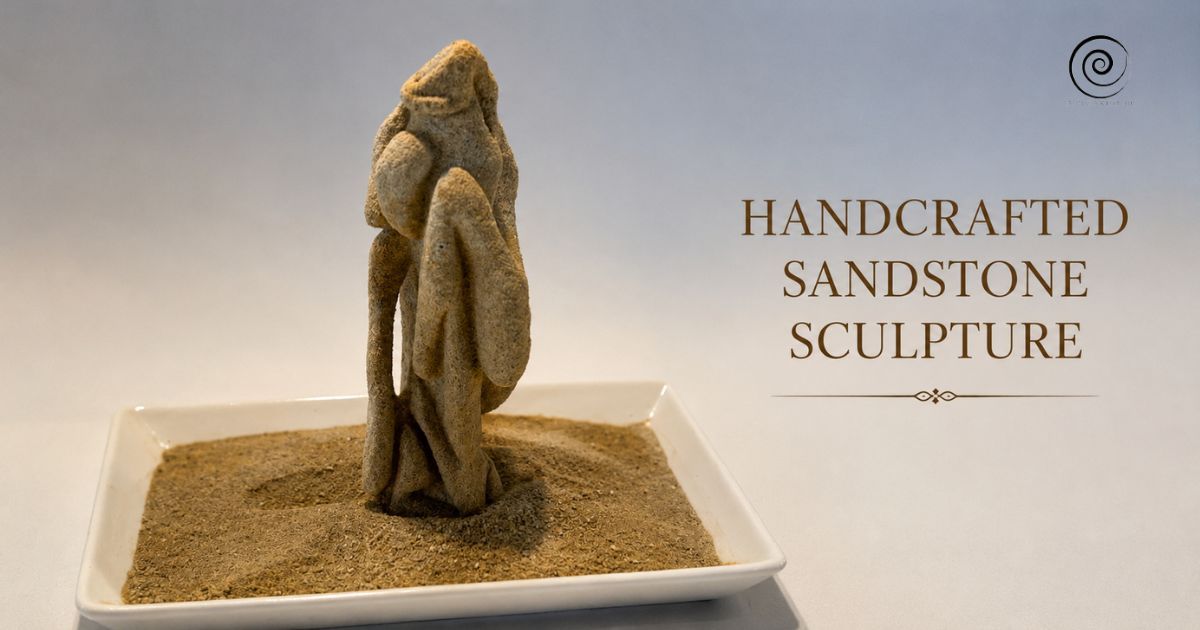
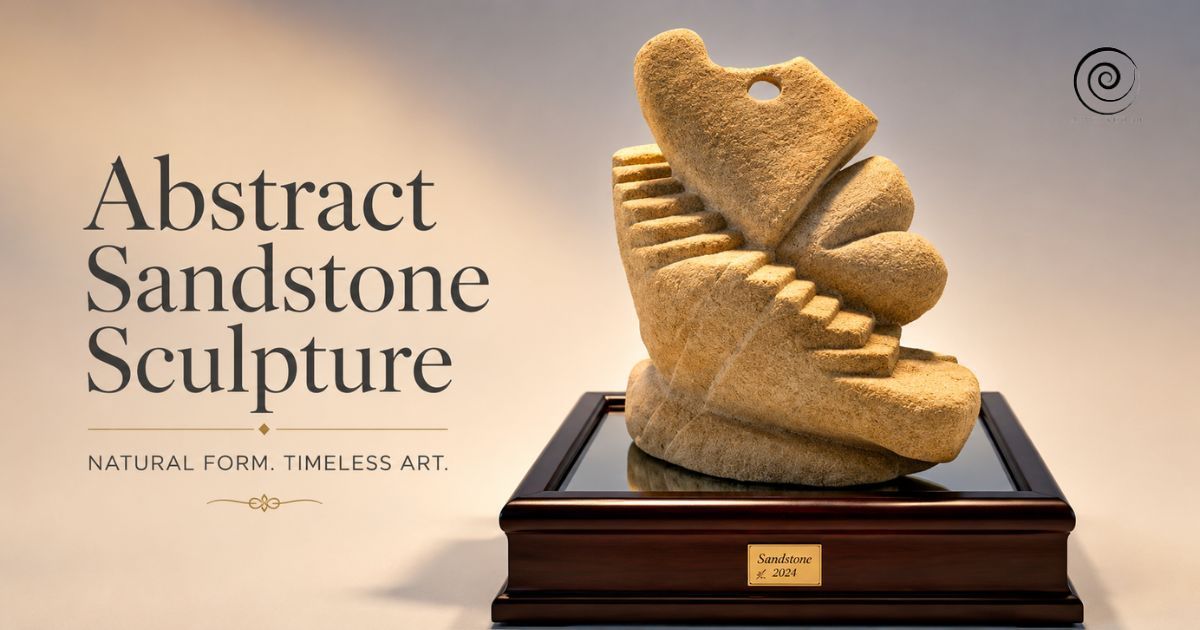
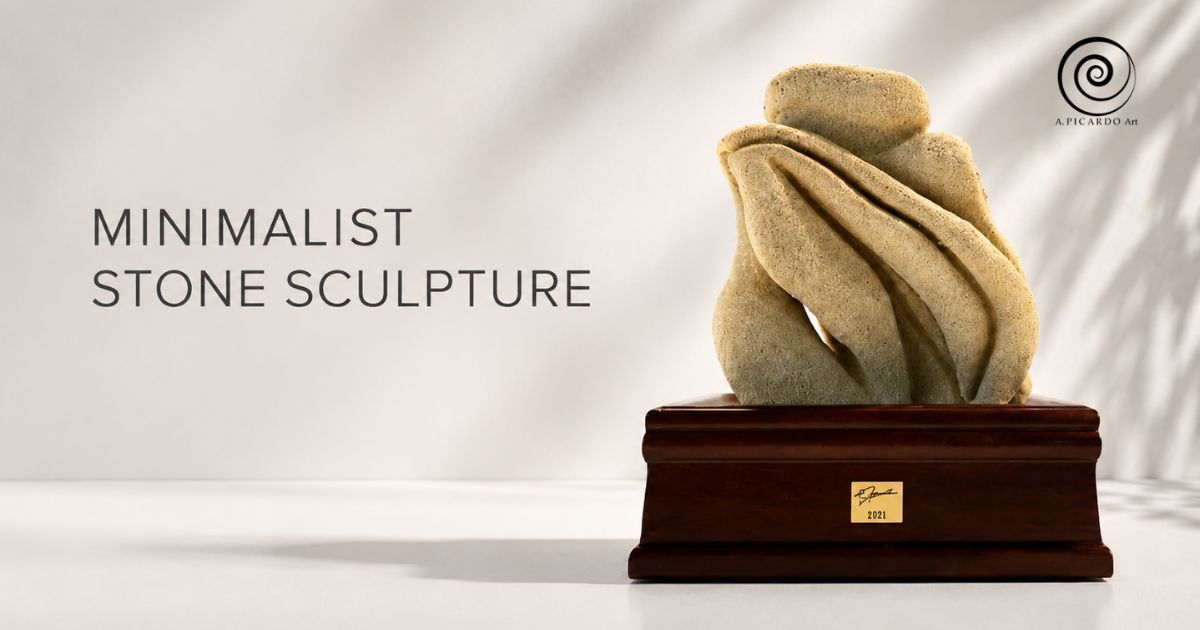
Stone sculptures bring a natural, steady presence. They feel grounded and calm, especially in neutral interiors. This is why many people prefer to minimalist stone sculpture when they want something timeless that works well with wood, fabric, and soft lighting.
Metal sculptures feel more modern and structured, adding a light reflective touch. Resin and mixed materials offer flexibility for both warm and modern spaces.
The idea is simple. Choose material based on the mood you want in your room.
3. Keep the form simple and readable
Minimalist sculpture is not about complexity. It is about clarity. Simple forms like curves, loops, abstract shapes, and smooth geometric structures often work best. They allow the eye to rest instead of constantly moving.
Overly detailed designs can create visual noise in a calm room. Minimal interiors need space to breathe, and simple sculptural forms support that idea naturally.
A well-chosen sculpture should feel complete without needing explanation.
4. Scale decides everything
Size is often underestimated, but it changes how a sculpture behaves in a room. A small sculpture on a large table can disappear visually. A very large piece in a compact room can feel heavy and overwhelming. The right scale creates quiet balance.
For living rooms with open layouts, medium to large sculptures usually work better. For shelves or side tables, smaller forms with clean lines are more suitable.
The sculpture should feel like it belongs in the space, not like it was placed there temporarily.
5. Placement should feel natural, not forced
A sculpture works best when it feels naturally placed in the room.
Common areas include:
- Console tables
- Coffee tables
- Open shelves
- Sideboards
- Entryway surfaces
Each placement changes how the piece is experienced. For example, placing a sculpture near soft lighting creates subtle shadows that highlight its shape. On a console table, it becomes a visual anchor. On a shelf, it adds rhythm between books and other objects.
Good placement does not demand attention. It earns it quietly.
6. Keep colors calm and controlled
Minimalist interiors rely heavily on color discipline.
Neutral tones like white, beige, grey, black, and natural stone shades work best for sculptures. These colors do not compete with furniture or walls. Instead, they allow the shape and texture of the sculpture to stand out.
Bright or overly saturated colors can break the calm flow of a minimalist room. In most cases, simplicity in color creates stronger visual impact than contrast. The idea is not to remove color, but to control it.
7. Texture adds depth without clutter
Even in simple sculpture design, texture plays an important role. Smooth surfaces create a calm and polished feel. Matte finishes bring softness. Rough stone textures feel organic and grounded.
Many collectors browsing minimalist decor sculpture for sale often focus on these subtle surface details that change how a piece feels in a room.
Slight variations in finish help the sculpture respond to natural light during the day. This keeps the form visually active without adding complexity. In minimalist spaces, texture replaces decoration and adds quiet depth.
8. Pair sculpture with light, not clutter
Lighting changes how a sculpture is experienced. Soft natural light brings out gentle shadows and highlights. Warm artificial lighting adds depth and comfort.
When light falls on a sculpture correctly, it becomes part of the room’s atmosphere rather than just an object. However, surrounding clutter reduces this effect.
Keep nearby décor simple:
- Clean surfaces
- Soft fabrics
- Minimal accessories
- Neutral background elements
The sculpture should remain the main visual focus in its area.
9. Avoid over-styling the space
One of the most common mistakes is adding too many decorative objects around a sculpture. Minimalist design works best when there is restraint. A sculpture does not need multiple companions to feel complete.
In fact, empty space around it often improves its presence. A clean table with a single sculptural form feels more intentional than a crowded arrangement. This balance is what gives minimalist interiors their calm and structured look.
10. Think long-term, not trend-based
Trends in home décor change quickly. Sculptural design that feels popular today may not feel relevant later. A better approach is to choose pieces that feel steady and lasting. Simple shapes, neutral materials, and balanced proportions usually stay visually strong over time.
This is also why many collectors explore minimalist decor sculpture for sale options that focus on timeless design rather than temporary trends.
A good sculpture should continue to feel right even as your interior evolves.
Let Your Room Speak Through Sculpture
A sculpture should never feel like an added object in a room. It should feel naturally placed, as if it was always meant to be there. The right piece brings quiet structure, balance, and a smooth visual flow to the space. It gently connects furniture, light, and open areas without forcing attention.
If you want to bring this kind of refined presence into your living room, buy minimalist stone sculpture from A. Picardo Art. Each piece focuses on clean form, natural material, and calm spatial harmony for modern interiors.
For inquiries, reach out at Info@apicardo.com or call (714) 743-3252.
Read Also: What Types of Modern Art Are Most Popular Among Collectors Today?
FAQs
1. Which material works best for minimalist sculptures?
Stone, metal, and resin are commonly used. Stone feels grounded and natural, metal feels modern, and resin offers flexibility. The choice depends on the mood you want in your living room.
2. Where should I place a minimalist sculpture in my home?
Common placements include console tables, coffee tables, shelves, or entryway areas. The sculpture should sit where it can interact with light and space naturally.
3. How do I choose the right size sculpture for my space?
Scale matters a lot. Large rooms suit medium to large sculptures, while smaller spaces work better with compact pieces. The sculpture should feel balanced with surrounding furniture.
4. What type of sculptures are featured in A. Picardo Art collections?
The collection focuses on minimalist and contemporary sculptural forms, including abstract stone-inspired works, geometric structures, and textured surface pieces designed for modern interiors.
5. Are stone-based sculptures suitable for modern homes?
Yes. Stone-inspired sculptures bring a grounded and natural feel. They work well with wood furniture, soft lighting, and minimal interior layouts.