5 Beautiful Places to Let Bonseki Sculptures Shine
Quick Overview: Bonseki sculptures can bring texture, character, and artistic expression to many different spaces. From living room shelves and entryway tables to offices and quiet reading corners, the right setting can enhance the artwork’s presence. This blog explores five thoughtful places to display Bonseki and simple ways to consider lighting, space, perspective, and the surrounding décor.
Art has a way of changing how we experience a space. A sculpture does not have to dominate a room to influence it. Sometimes, a small work placed thoughtfully on a shelf, table, or desk can introduce a sense of texture, movement, and reflection.
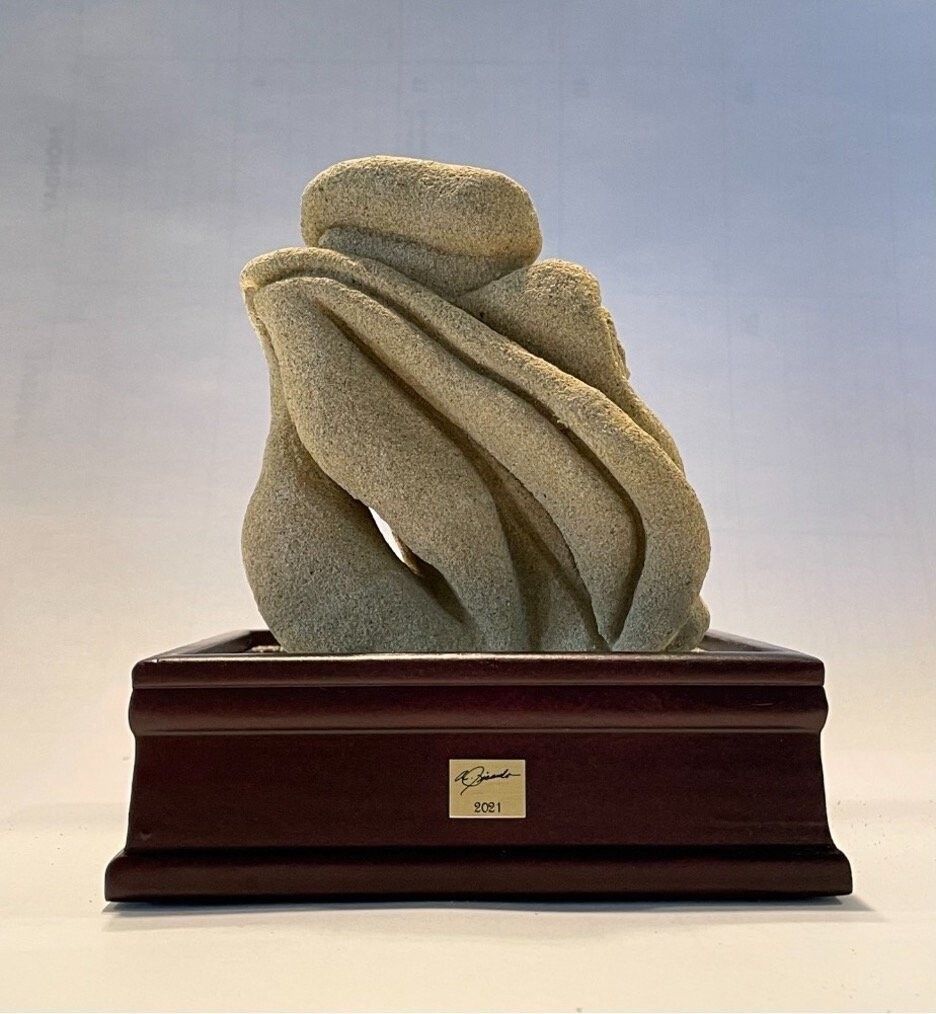
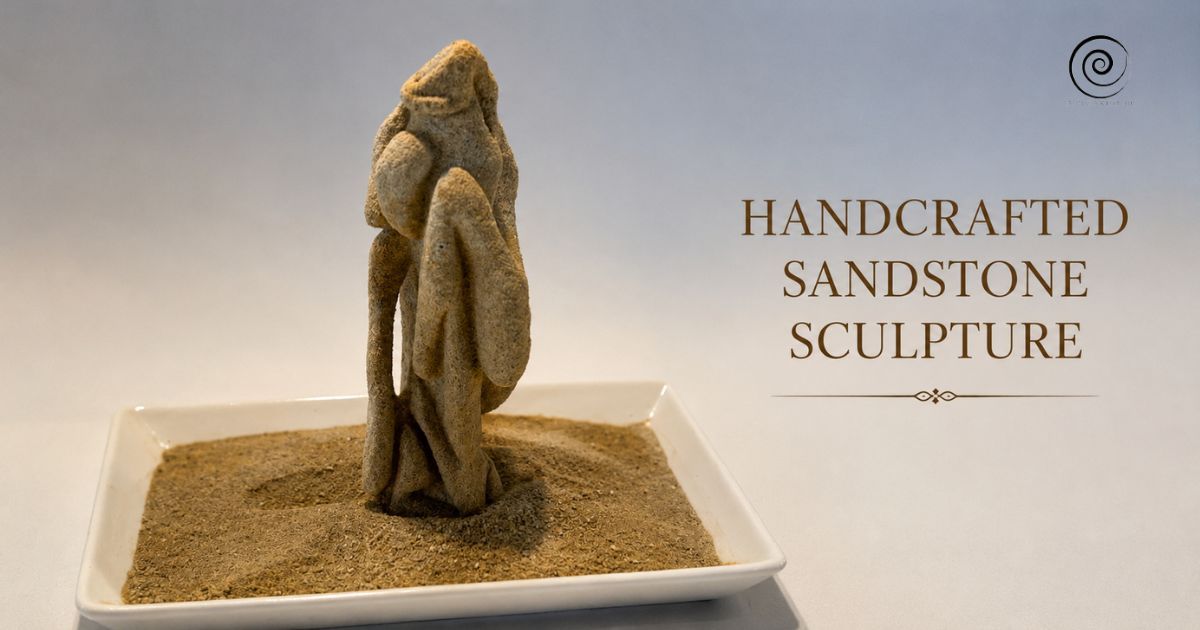
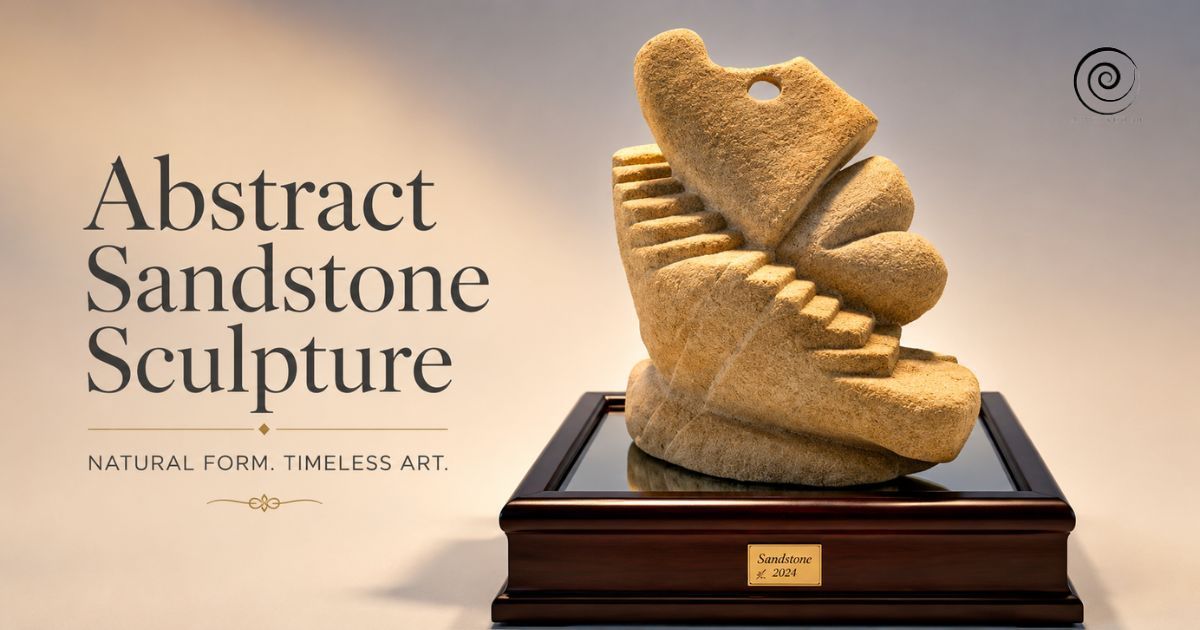
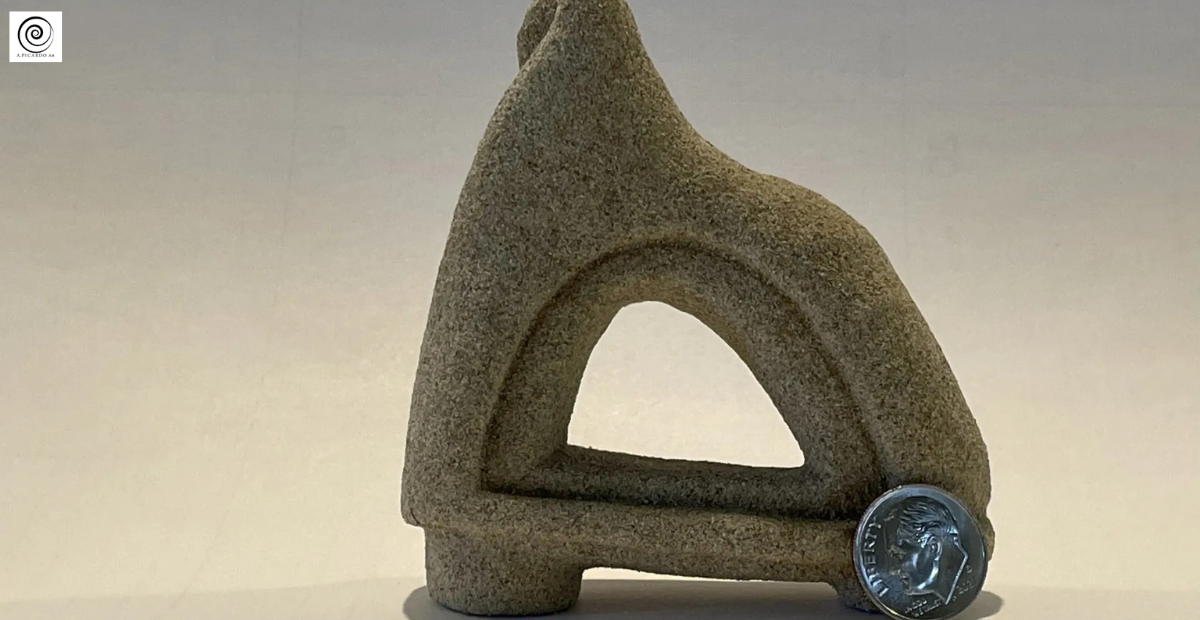
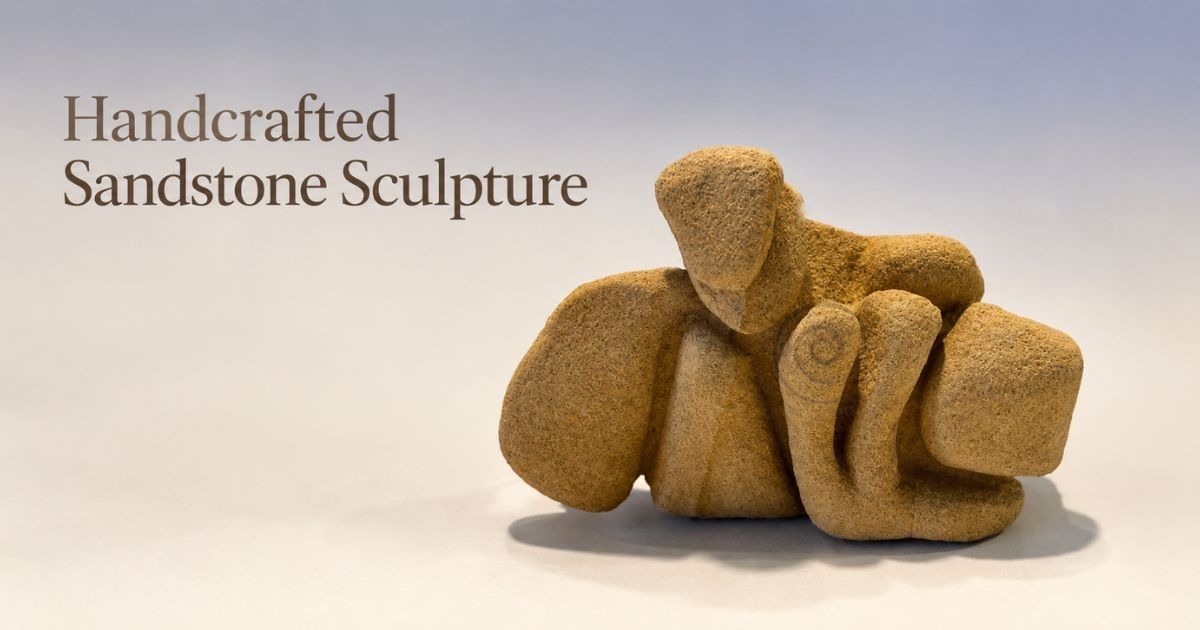
This is particularly true of Bonseki sculpture. At A. Picardo Art, sandstone is transformed into sculptural forms that explore abstraction, natural shapes, and the relationship between material and imagination. Each piece offers its own combination of texture, line, and form, making the question of where to display it an important part of the experience.
A Bonseki sculpture can live comfortably in many settings. The key is to give the work enough space to be appreciated while allowing it to become part of the environment around it. Here are five places where Bonseki sculptures can add character and depth to a home or office.
1. A Living Room Display Shelf
A living room provides one of the most natural settings for displaying sculpture. It is a space where people spend time, so artwork placed here can be appreciated throughout the day rather than simply viewed as part of a formal display.
A shelf, console, or built-in bookcase can provide an ideal setting for a Bonseki sculpture. Rather than filling the available space with multiple decorative objects, consider allowing the sculpture to stand on its own.
This approach gives the eye an opportunity to focus on the details of the piece. The curves, openings, textures, and changes in surface can become more apparent when there is sufficient space around the work.
A handcrafted sandstone sculpture can also introduce a natural element into a contemporary interior. Sandstone has an organic quality that can soften rooms dominated by glass, metal, wood, or other manufactured materials.
The surrounding décor does not need to match the sculpture exactly. In many cases, contrast creates greater visual interest. A simple stone form against a clean architectural background can make both the sculpture and the room feel more distinctive.
2. An Entryway or Console Table
The entryway establishes the first impression of a home. It is also a transitional space, connecting the outside world with the more personal rooms within the home.
A Bonseki sculpture placed on an entryway table can give this area a thoughtful focal point without making it feel overly decorated.
Choose a location where the sculpture can be seen from different directions. This is particularly valuable with three-dimensional artwork because its character may change as the viewer moves around it.
Lighting is another consideration. Natural light can reveal subtle variations in the sandstone, while a nearby lamp can create shadows that emphasize the contours of the sculpture.
An entryway display can also provide an opportunity for conversation. Visitors may notice the unusual form and become interested in its material, process, or inspiration. In this way, the artwork becomes part of the experience of welcoming people into the home.
3. A Home Office or Private Study
A workspace does not need to be purely functional. Thoughtfully selected artwork can contribute to an environment that encourages concentration, creativity, and reflection.
A Bonseki sculpture can be placed on a desk, bookshelf, credenza, or cabinet within a home office. The most effective position is often one that remains visible without interfering with the practical use of the workspace.
Natural stone can provide an appealing contrast to the technology commonly found in an office. Screens, keyboards, and electronic equipment tend to have uniform surfaces and geometric forms. A handcrafted sandstone sculpture introduces something shaped by both nature and the artist's hand.
The sculpture can also provide a visual pause during the working day. Its purpose is not necessarily to become the center of attention. Instead, it can quietly contribute to the character of the room.
For an office where clients or colleagues are occasionally welcomed, a distinctive sculpture can also become an understated reflection of personal taste.
4. A Reading Area or Quiet Corner
Some areas of a home naturally encourage a slower pace. A reading chair near a window, a small library, or a quiet corner can provide an ideal environment for sculpture.
Bonseki has historical connections to Japanese miniature landscape art, where stone and sand are arranged to suggest natural scenery. Contemporary interpretations can move beyond literal landscapes and explore shape, balance, texture, and abstraction.
This makes a Bonseki sculpture particularly suitable for a space intended for contemplation.
Place the sculpture on a small side table, pedestal, or nearby shelf where it receives adequate light. The surrounding area can remain relatively simple. A comfortable chair, a few books, and a carefully positioned work of art may be enough to establish a quiet visual composition.
The changing light throughout the day can also affect how the sculpture is perceived. Details that appear subtle in the morning may become more pronounced as shadows move across the surface.
5. A Reception Area or Office Display
Sculpture can bring warmth and personality to professional environments as well.
A reception area, conference room, private office, or creative studio can provide an appropriate setting for a Bonseki piece. Instead of relying solely on framed artwork, incorporating three-dimensional work introduces another layer of visual interest.
A sculpture can be positioned on a credenza, display shelf, or other secure surface where it can be viewed without disrupting the function of the room.
For professional spaces, restraint is often effective. One carefully selected sculpture may have more impact than a crowded collection of decorative pieces.
The character of each Bonseki work can also complement different types of interiors. More organic forms may work well in spaces with natural materials, while strongly abstract pieces can create an interesting contrast within contemporary architectural settings.
Creating the Right Setting for a Bonseki Sculpture
Where a sculpture is placed can influence how it is experienced. Three considerations are particularly useful: space, lighting, and perspective.
First, allow enough space around the sculpture. Crowding the work with other objects can make its form difficult to appreciate.
Second, consider the direction and intensity of light. Natural light can reveal the variations within sandstone, while directional lighting can emphasize texture and shadow.
Finally, consider perspective. A sculpture is not a flat image. Its appearance changes as the viewer moves around it. Positioning the work where it can be seen from more than one angle allows its three-dimensional qualities to become part of the experience.
Most importantly, the sculpture should feel connected to its surroundings.
Letting Sculpture Become Part of a Space
Choosing a place for Bonseki is about more than decoration. A sculpture becomes part of the room’s atmosphere and character. A handcrafted sandstone sculpture brings natural texture and history into a space, while carving gives the stone new form and meaning.
This balance between nature and artistic expression is what makes stone sculpture so compelling.
The Art of Living With Sculpture
A Bonseki sculpture can change the feeling of a space without asking for attention. Its form, texture, and natural character invite us to pause and look a little longer. For artist Anthony Picardo, sandstone provides more than a material; it becomes a way to explore ideas, shapes, and artistic expression. His work through A. Picardo Art reflects a close relationship between the natural qualities of stone and the creative process of sculpture.
Explore A. Picardo Art to view Anthony Picardo’s Bonseki and Frac-Art collections and find a work that speaks to your own space.
FAQs
What is Bonseki sculpture?
Bonseki is a Japanese art form traditionally associated with miniature landscapes created using stones and sand, while contemporary artists may interpret the form differently.
Where is the best place to display a Bonseki sculpture?
A living room shelf, entryway table, home office, reading corner, or reception area can provide an attractive setting for displaying Bonseki artwork.
Can Bonseki sculptures be displayed in an office?
Yes. A Bonseki sculpture can add character to a desk, shelf, conference room, or reception area while introducing natural texture into professional surroundings.
How should I light a Bonseki sculpture?
Soft natural or directional lighting can highlight the sculpture’s contours, textures, and shadows. Avoid harsh lighting that may make subtle surface details difficult to appreciate.
Can a Bonseki sculpture work with modern interior design?
Yes. The organic texture and sculptural form of Bonseki can create an appealing contrast with modern furniture, clean lines, glass, metal, and other contemporary materials.