Flame Rock: Where Stone, Fire, and Imagination Meet
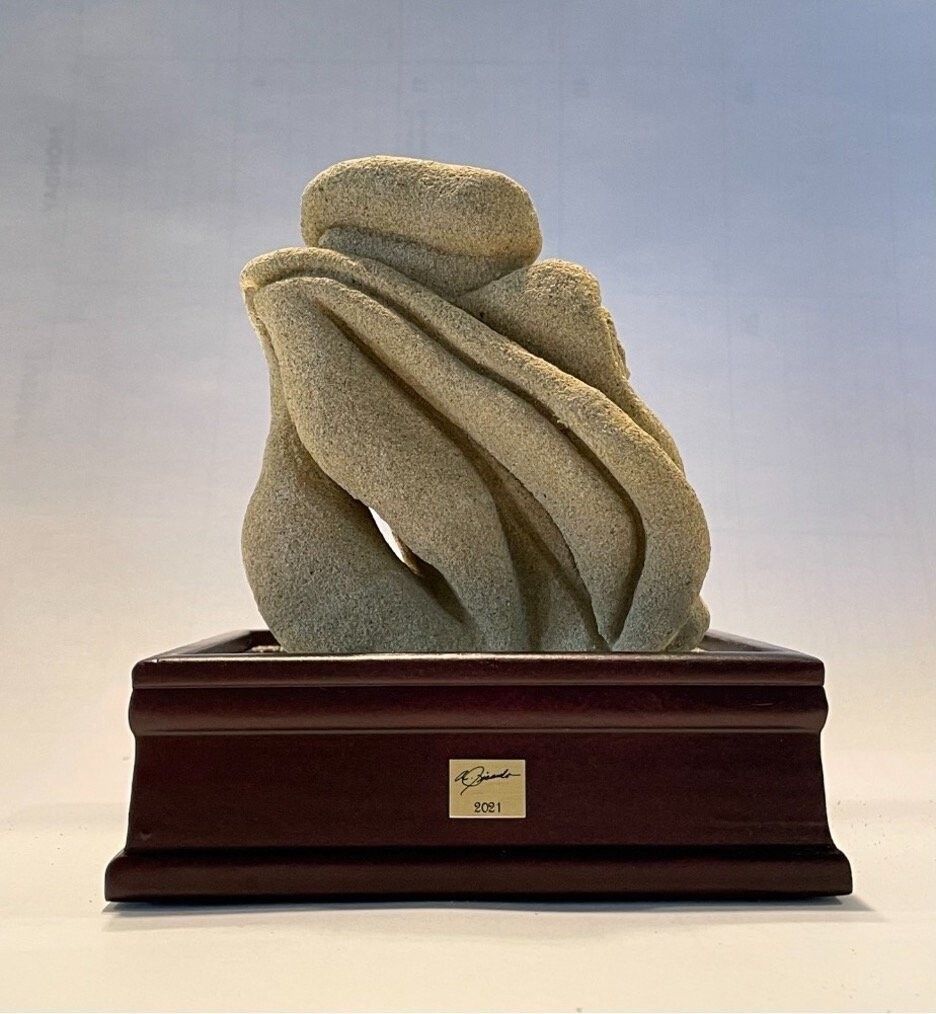
Quick Overview: Flame Rock is an abstract Bonseki sculpture by Anthony Picardo that brings together the strength of stone and the visual energy of a rising flame. Its organic form invites different interpretations, from fire and movement to natural formations. This blog explores the sculpture’s texture, presence, emotional character, and ability to add curiosity and personality to contemporary spaces.
What if a piece of stone could make you feel movement?
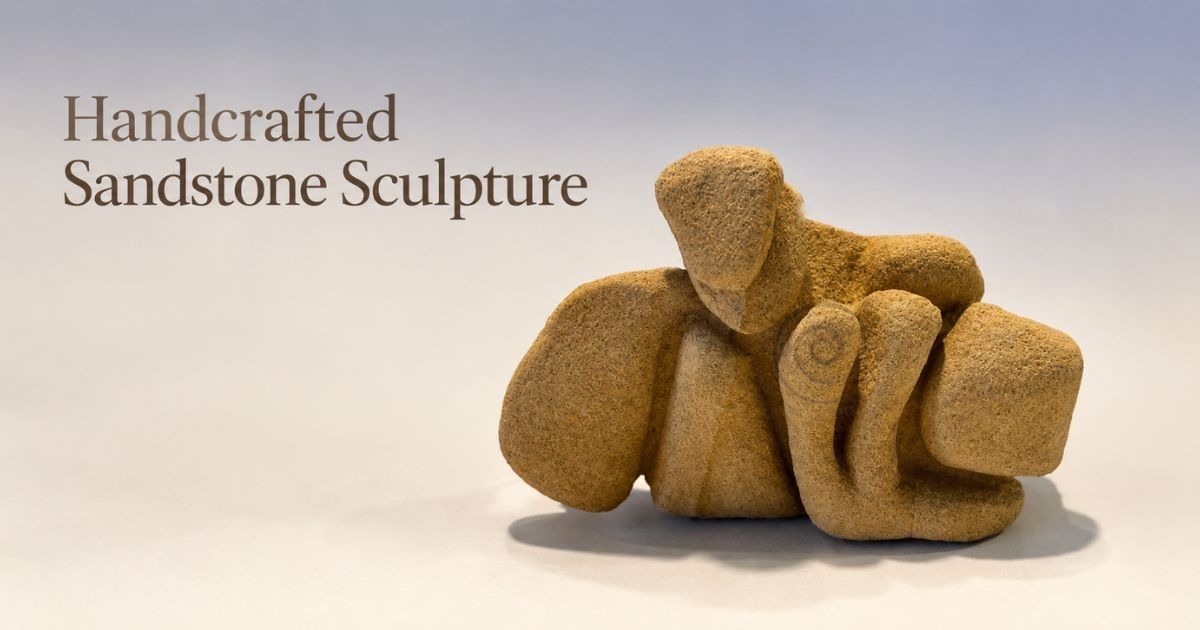
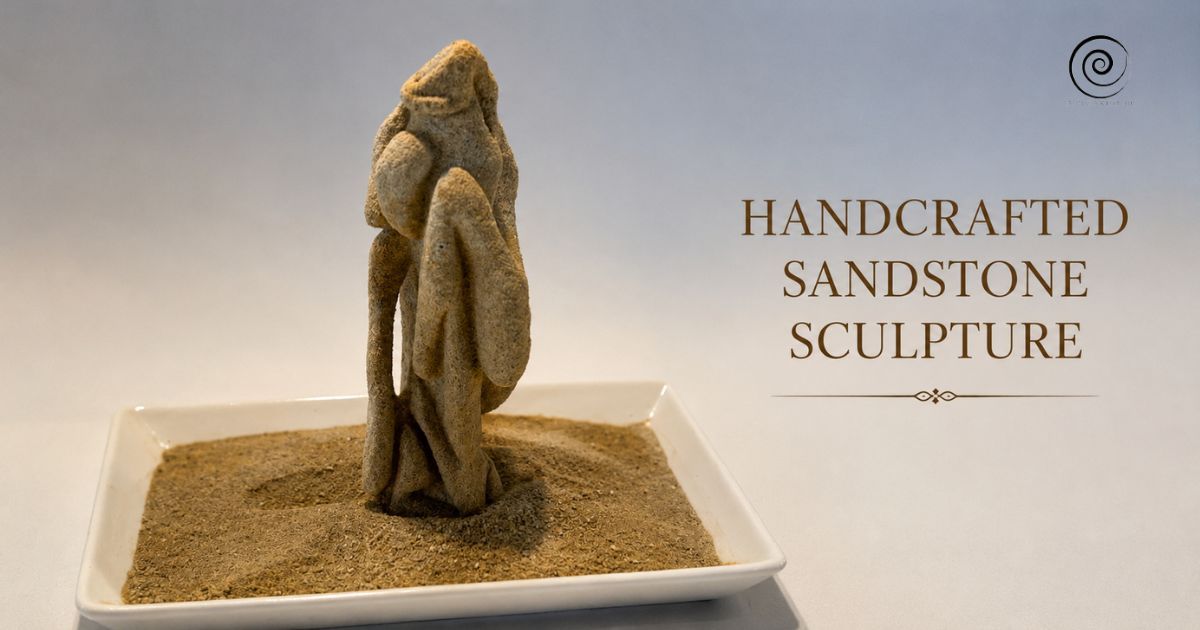
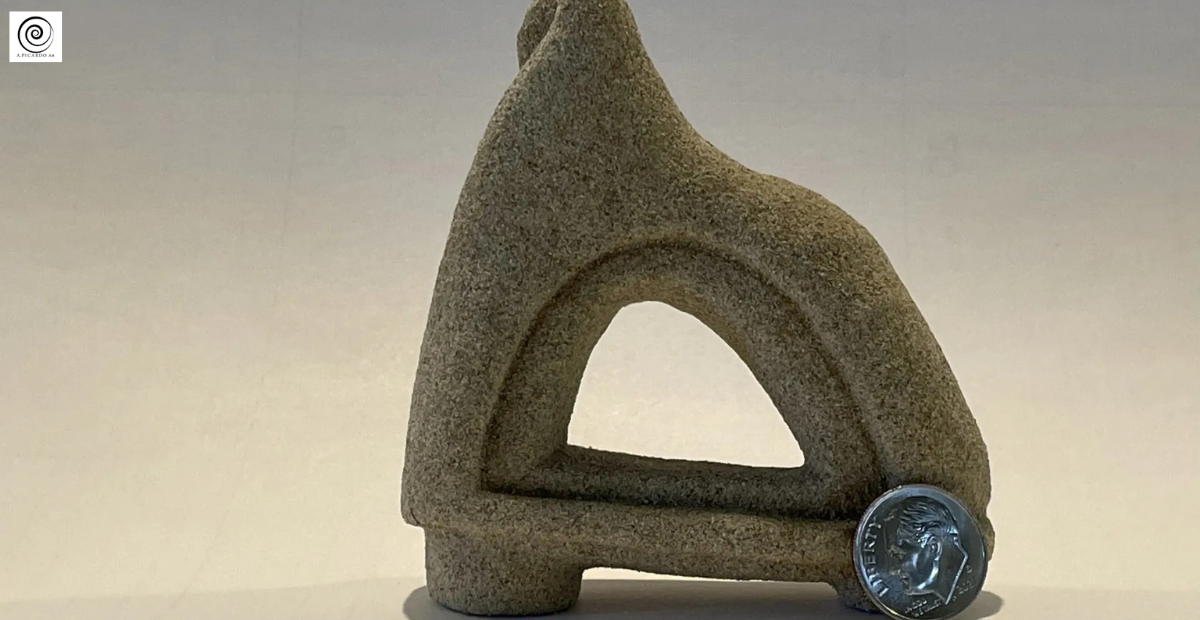
That is the first impression Flame Rock can leave. Its unusual form seems to rise, twist, and reach upward, carrying the visual energy of a flame while remaining firmly rooted in the strength of stone. Created by Anthony Picardo, this Bonseki sculpture at A. Picardo Art has an intriguing presence that changes the longer you look at it.
At first, you may see fire. Then perhaps a natural formation, a sweeping gesture, or something you cannot quite name. And that uncertainty is part of its beauty. Flame Rock does not give you a single image to recognize. It gives your imagination room to participate.
The First Thing You May Notice: Movement
Look at Flame Rock for a moment, and the eye naturally begins to travel.
The form seems to rise, twist, and reach upward. It has the visual rhythm of something in motion, much like a flame that refuses to remain still. Though carved from stone, the piece carries an almost fluid quality.
That contrast gives it much of its charm.
Fire suggests warmth, movement, transformation, and energy. Stone suggests permanence, strength, and stillness. Within Flame Rock, those two impressions seem to meet.
You might see the suggestion of a flame dancing upward. Another viewer may see a sculptural landscape shaped by the forces of nature. Someone else may simply be drawn to the unusual silhouette.
There is no single way to look at it. And that freedom is part of the pleasure.
When Strength Meets Energy
There is a beautiful tension between the solidity of the stone and the energy suggested by its form.
The material feels grounded, almost elemental. Yet the shape gives the impression of something rising beyond that sense of weight. Your eye follows its contours, and the sculpture begins to feel less like a stationary object and more like a moment captured in transformation.
For anyone drawn to modern art for collectors, this kind of duality can make a piece especially rewarding. It gives you something immediate—the beauty of the form—and something quieter that reveals itself gradually.
You do not have to know exactly what you are seeing to appreciate it. Sometimes, an artwork becomes memorable simply because it gives your imagination somewhere to wander.
What Do You See in Flame Rock?
This may be the most delightful question to ask. What appears to you first?
A flame?
A rising force?
A fragment of landscape?
Perhaps something entirely personal?
Abstract art does not insist upon one interpretation. Instead, it offers shapes, textures, movement, and atmosphere, allowing the viewer to complete the experience.
Flame Rock has that quality of visual openness. Its organic form hints at something recognizable without becoming completely literal. You can sense movement without seeing a specific object. You can feel energy without being told where it comes from.
That is one reason modern art for collectors can bring such character to a space. It does not simply fill an empty surface or occupy a display area. It creates a small moment of curiosity.
You glance at it. Then you look again. And somehow, you notice something you missed the first time.
An Artwork That Adds Energy Without Taking Over
Not every beautiful artwork needs to command an entire room. Some pieces have a quieter presence—one that rewards closeness rather than demanding attention from across the space. Flame Rock has that intimate quality.
Its compact scale allows it to become part of its surroundings while still offering a distinctive visual statement. Imagine it resting on a beautifully arranged shelf, a console, a writing desk, a library surface, or within a collection of sculptural works.
Its organic silhouette can bring softness and movement to clean architectural lines. In a minimalist setting, it can introduce a touch of mystery. Among other collected works, it can provide an unexpected change of texture and form.
Rather than feeling simply placed in a room, it can feel discovered there. And that can make a space feel far more personal.
There Is Warmth in the Way It Feels
The name Flame Rock naturally brings warmth to mind.
Not necessarily the heat of fire, but the softer associations that come with it—glow, vitality, energy, and the comforting presence of something alive. Paired with the grounded character of stone, that warmth becomes even more intriguing.
The sculpture can evoke curiosity when you first encounter it, strength when you notice its material, and energy as your eyes follow its upward movement. Its connection to an organic form can also create a gentle reminder of the natural world.
Yet the artwork never needs to dictate what you feel.
One person may experience confidence in its strong form. Another may find wonder in its ambiguity. Someone else may simply enjoy the quiet warmth it brings to a room.
Art becomes most personal when it leaves space for that kind of response.
Why It Can Become a Personal Piece
The artworks we remember most are rarely the ones we simply admire and move past. They are the ones that slowly become part of our surroundings—and, over time, part of our story.
You may first be drawn to Flame Rock for its unusual form. As you live with it, its rising shape may begin to evoke movement, creativity, strength, or quiet energy. That is the beauty of abstract art: its meaning can grow with you.
Flame Rock does not offer a finished story. It leaves space for your memories, moods, and imagination to shape one. For a collector, that personal connection can make a piece feel truly at home.
A Natural Connection in a Contemporary Form
Perhaps one of the most beautiful qualities of Flame Rock is the relationship between nature and artistic expression.
The sandstone brings with it an inherent sense of the earth—its texture, weight, and organic character. The sculpted form then takes that natural foundation somewhere more imaginative. It feels organic without being entirely familiar. That makes it particularly suited to contemporary interiors.
A room built around clean lines and refined surfaces can sometimes benefit from something less predictable. An organic sculpture introduces a softer visual rhythm. It can break the uniformity of straight edges and polished finishes while retaining a sophisticated presence.
And because the form remains abstract, it can sit comfortably within many different collections and surroundings. It does not need to match everything. It simply needs to speak to you.
A Small Piece With a Lasting Presence
Flame Rock may not need to be the largest artwork in your space to become one of the most intriguing. Its appeal lies in the conversation between opposites: fire and stone, movement and stillness, strength and delicacy, nature and imagination.
Look at it one way, and you may see a flame rising. Look again, and another possibility begins to emerge.
That shifting perception is one of the pleasures of collecting modern art. The artwork remains the same, but your experience of it can change. And perhaps that is the mark of a piece worth living with.
It does not tell you what to think. It keeps giving you reasons to look.
Bring More Art Into Your Story
Let your eyes wander a little further. The world of A. Picardo Art extends beyond Flame Rock, with Frac-Art and Bonseki works that invite you to pause, interpret, and see beauty from a different angle.
Visit A. Picardo Art, explore the collection, and discover an artwork that gives your space its own character.
FAQs
What makes Flame Rock a distinctive artwork?
Flame Rock combines the strength of stone with an organic, upward-moving form, allowing viewers to see suggestions of fire, nature, energy, and transformation.
Why is Flame Rock suitable for a contemporary space?
Its organic form and sculptural character can add texture, movement, and visual interest to contemporary interiors without overwhelming the surrounding décor.
How can Flame Rock make a space feel more personal?
Flame Rock leaves room for interpretation, allowing its form, energy, and natural character to develop a personal meaning for the person living with it.
Why can modern art for collectors be meaningful in a personal space?
Modern art for collectors can offer distinctive forms, textures, and interpretations, allowing a piece to develop personal meaning while adding character to its surroundings.
How does abstract art create an emotional connection?
Abstract art allows viewers to bring personal memories, feelings, and associations to a piece, creating an experience that can change with time and perspective.