The Importance of Innovation in Contemporary Art

William Packard • August 11, 2026

Blog Overview: Art has always evolved through curiosity, experimentation, and new ways of seeing. This blog explores why innovation plays an important role in contemporary art and how artists create fresh visual experiences beyond traditional boundaries. Through FRAC-ART and Bonseki, it highlights the connection between creativity, perception, and artistic discovery while showing how new ideas continue shaping the future of artistic expression.


Art has never been about repeating what already exists. The most memorable moments in art history were created by artists who questioned, explored, and searched for new ways to express ideas, emotions, and perspectives.


Every great movement began with curiosity. A desire to see the world differently and discover what was possible beyond the familiar. Innovation is not about creating change simply for the sake of being different. It is about expanding the way art communicates and connects with people.


As an artist, I believe creativity comes from continuous exploration. This belief shapes my work at A. Picardo Art, where my FRAC-ART and Bonseki collections explore light, form, nature, and perception.


Art Evolves When Artists Dare to See Differently


The history of art is a reflection of human curiosity. Artists have always challenged expectations. They have questioned traditional methods, experimented with new approaches, and created visual languages that changed how people experience the world.


Cubism transformed the way we understand perspective. Modernism challenged established artistic structures. Abstract art moved away from realistic representation and allowed color, shape, and movement to communicate emotions directly.


These changes were not created simply to be different. They came from a deeper desire to explore new possibilities.


An artist reaches a point where familiar methods are no longer enough. There is a need to search further, to discover something that has not yet been expressed. That search is where innovation begins. When an artist develops a new visual language, they are not only creating an artwork. They are opening a new conversation between the creator, the artwork, and the viewer.


Every Innovation Begins With Curiosity


Behind every creative breakthrough is a simple question. What if?


What if light could become more than something we see? What if color could reveal something hidden? What if a familiar image could be transformed into an entirely new experience? These questions are often the starting point for artistic discovery.


For me, innovation has always been connected to perception. Art is not only about what appears before our eyes. It is about how we experience it, how it makes us feel, and what it allows us to imagine.


The creative process is built through observation, experimentation, and patience. Sometimes, the most powerful discoveries come from looking at ordinary elements in extraordinary ways. A shift in color can create a different emotion. A change in structure can reveal new movement. A familiar subject can become something completely unexpected.


This is the quiet power of artistic exploration.


FRAC-ART: A New Exploration of Light and Color


FRAC-ART was born from my curiosity about the hidden possibilities within light and color.


Photography has traditionally been a way to capture moments, places, and subjects as they appear. However, I wanted to explore a different direction—what happens when photography moves beyond documentation and becomes a medium for transformation?


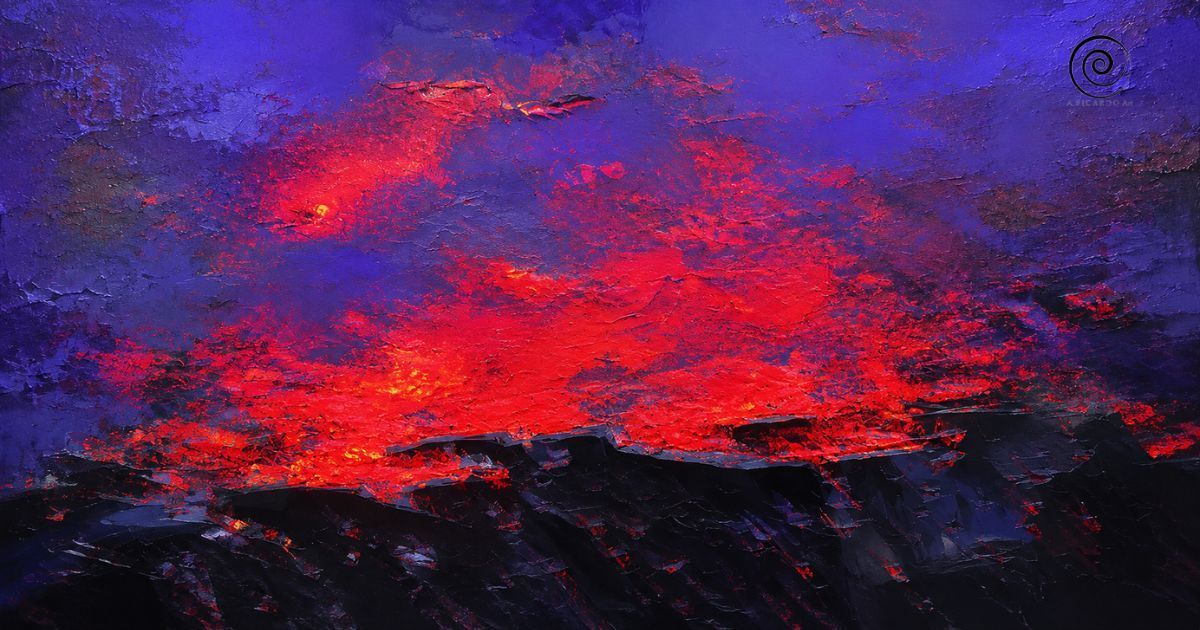
Through a process I describe as “fracturing the rainbow,” FRAC-ART explores unseen relationships within color and reveals visual dimensions that are often hidden within light. The work brings together experimental photographic methods, abstract geometry, and surreal visual influences. It exists somewhere between photography, abstraction, and imagination, creating an experience that encourages viewers to look beyond the expected.


Rather than offering one fixed interpretation, FRAC-ART allows each person to experience the artwork in their own way. One viewer may notice movement and energy. Another may see patterns, emotions, or unexpected connections. That personal interaction is what makes contemporary art powerful. The artwork becomes more than an image—it becomes an experience.


Beyond Photography: Redefining Visual Expression


One of the most exciting parts of contemporary art is the ability to transform familiar mediums. Photography has always been connected with capturing reality, but artists have continuously expanded its possibilities. Through experimentation, photography has become a way to explore ideas, emotions, and abstract concepts.


FRAC-ART approaches photography as a space for discovery.


By transforming light, color, and structure, it encourages viewers to question what they see. It invites them to look deeper and consider the possibilities that exist beyond the surface. This approach reflects a larger movement within contemporary art, where artists continue exploring new relationships between materials, technology, and human perception.


For collectors interested in museum quality abstract art, innovation often becomes one of the defining qualities of meaningful work. A significant artwork is not only visually striking. It represents a distinct vision, a creative process, and an idea that contributes to the wider conversation of art.


Where Tradition Meets Innovation


Innovation does not mean abandoning the past. Many of the most powerful artistic developments happen when history and new ideas come together. Traditional influences provide a foundation, while innovation creates new directions.


My exploration of Bonseki reflects this connection.


The ancient Japanese art form carries a deep appreciation for balance, simplicity, and harmony with nature. These ideas continue to influence my sculptural approach, where natural materials and contemporary expression meet.


By reinterpreting these principles, I explore how timeless artistic values can continue evolving in a modern context. Tradition provides inspiration. Innovation creates possibility. Both are essential in the continued growth of art.


Why Originality Creates a Deeper Connection


Today, we experience more images than ever before. With so much visual information around us, originality has become increasingly meaningful. Artwork that simply follows familiar patterns may capture attention briefly. However, artwork that introduces a new perspective has the ability to create a lasting connection.


Innovation gives art purpose. It reflects the artist’s willingness to explore, question, and share something personal with the world. It shows the creative decisions, discoveries, and challenges behind the final piece.


For collectors, this connection often becomes one of the most valuable aspects of original artwork. They are not only choosing something beautiful. They are connecting with the artist’s vision, process, and creative journey.


A truly innovative artwork carries the story of exploration within it.


How Innovation Will Shape the Future of Art


Art has never been a fixed form of expression. It continues to evolve because artists continue searching for new ways to communicate ideas and emotions. As materials, technology, and creative approaches change, artists will continue discovering new possibilities.


The future of art will be shaped by those willing to explore beyond familiar boundaries while maintaining a strong connection to meaning and creativity. Innovation keeps art alive. It allows each generation to experience something new while continuing the artistic conversations that began centuries ago.


Continuing the Search for New Possibilities


For me, creating art has always been a process of exploration—the search for what exists beyond the obvious. FRAC-ART represents one chapter in that ongoing exploration. It reflects my belief that light, color, and perception contain endless possibilities waiting to be revealed.


Innovation is not about creating change simply for the sake of being different. It is about finding new ways to express ideas, emotions, and experiences that cannot be communicated in any other way Through my work, I continue exploring the relationship between tradition, technology, nature, and imagination.


Explore my original FRAC-ART and Bonseki collections at www.apicardo.com to view galleries, learn about my creative approach, and experience the artistic vision behind these evolving forms of contemporary expression.


FAQ's


1. What makes FRAC-ART different from traditional photography?

FRAC-ART transforms photography beyond documentation by exploring fractured color, light, and abstract forms to create unique visual experiences inspired by experimentation.

2. What role does experimentation play in creating original artwork?

Experimentation allows artists to discover new techniques, challenge familiar ideas, and develop original works that reflect personal vision, creativity, and artistic exploration.

3. Why do collectors value innovative artwork?

Collectors often value innovative artwork because it represents originality, artistic vision, and a meaningful contribution to the ongoing evolution of contemporary art.

4. How does FRAC-ART explore color and perception?

FRAC-ART examines the relationship between light and color by transforming visual elements into abstract compositions that encourage viewers to experience perception differently.

5. Why is museum quality abstract art important for collectors?

Museum quality abstract art offers collectors an opportunity to own pieces with strong artistic concepts, unique techniques, and enduring creative importance.
By William Packard • September 23, 2026
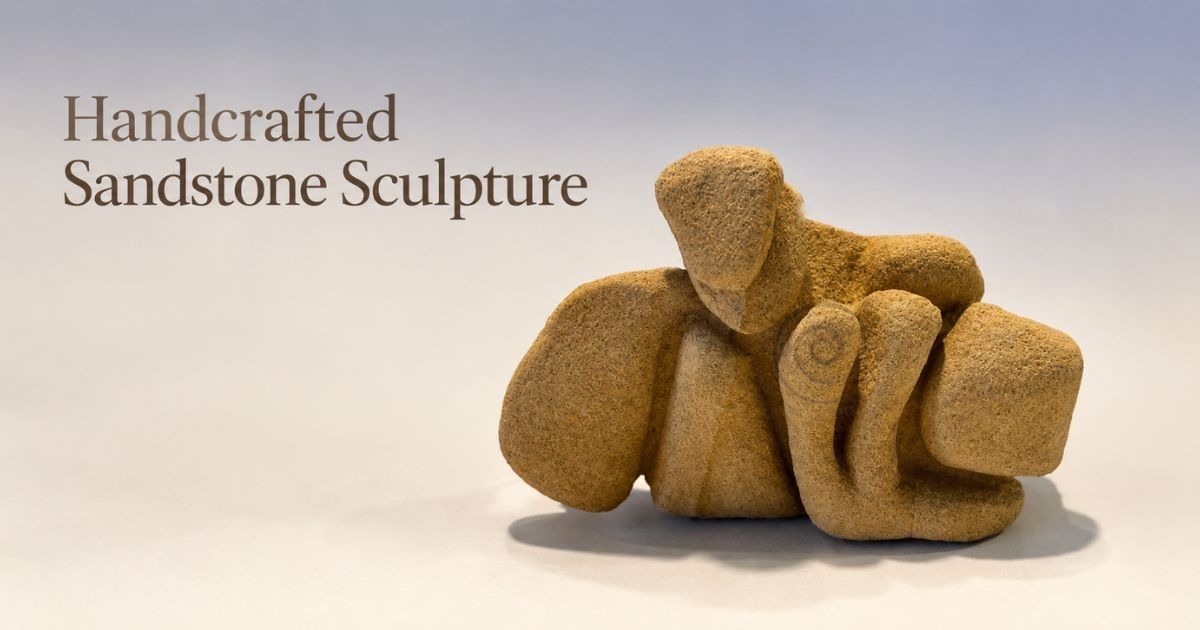
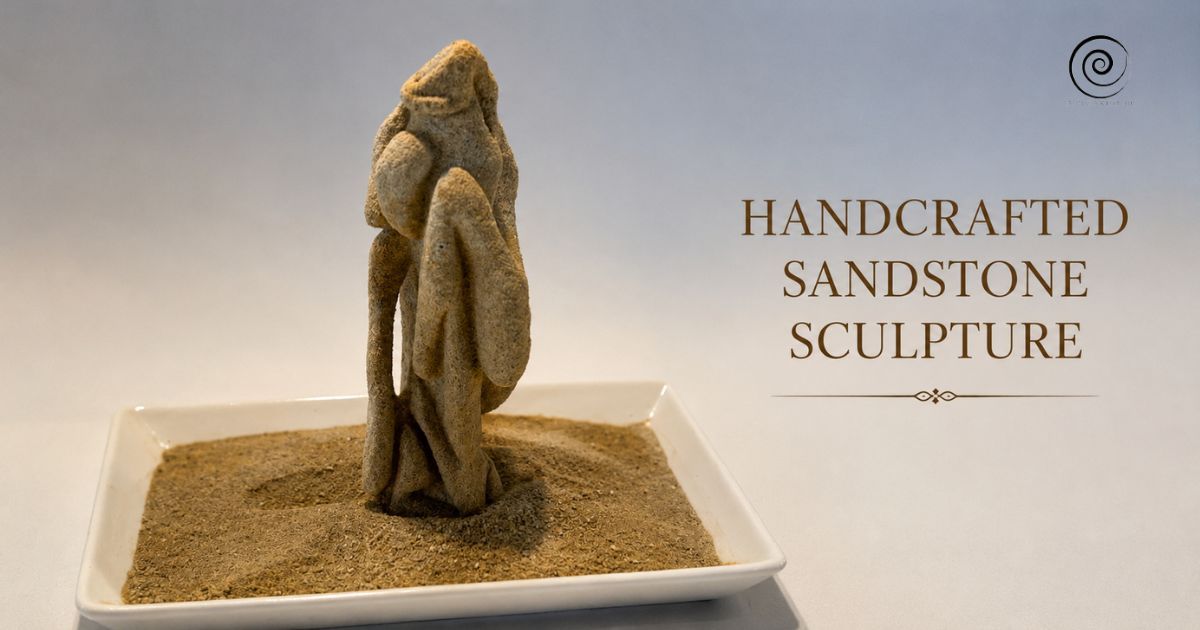
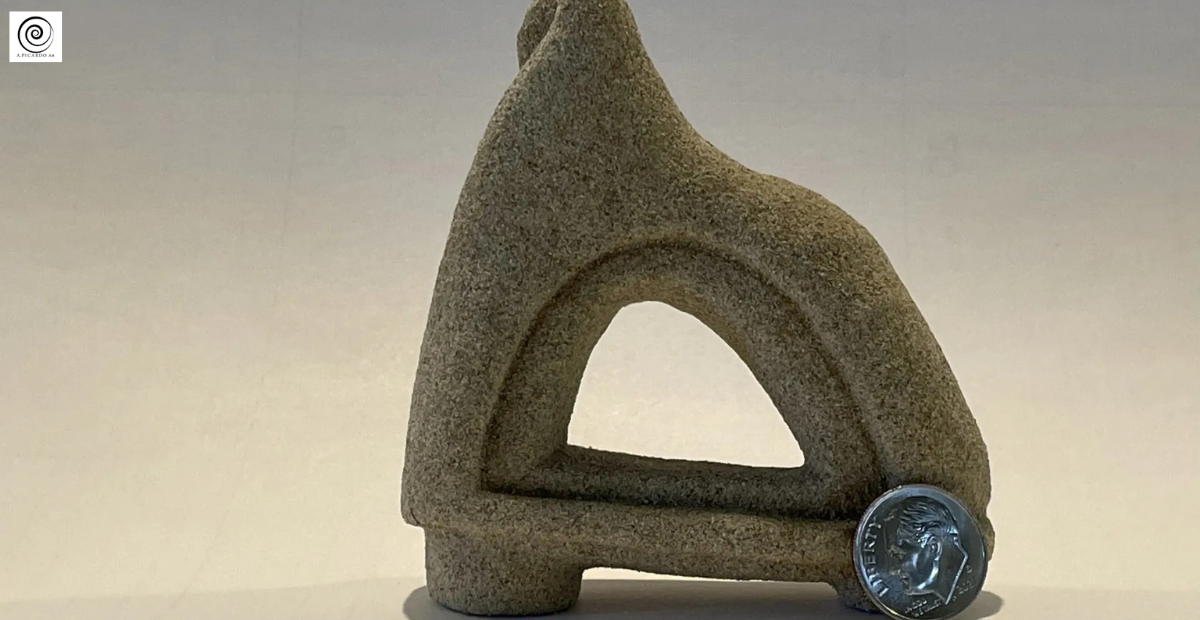
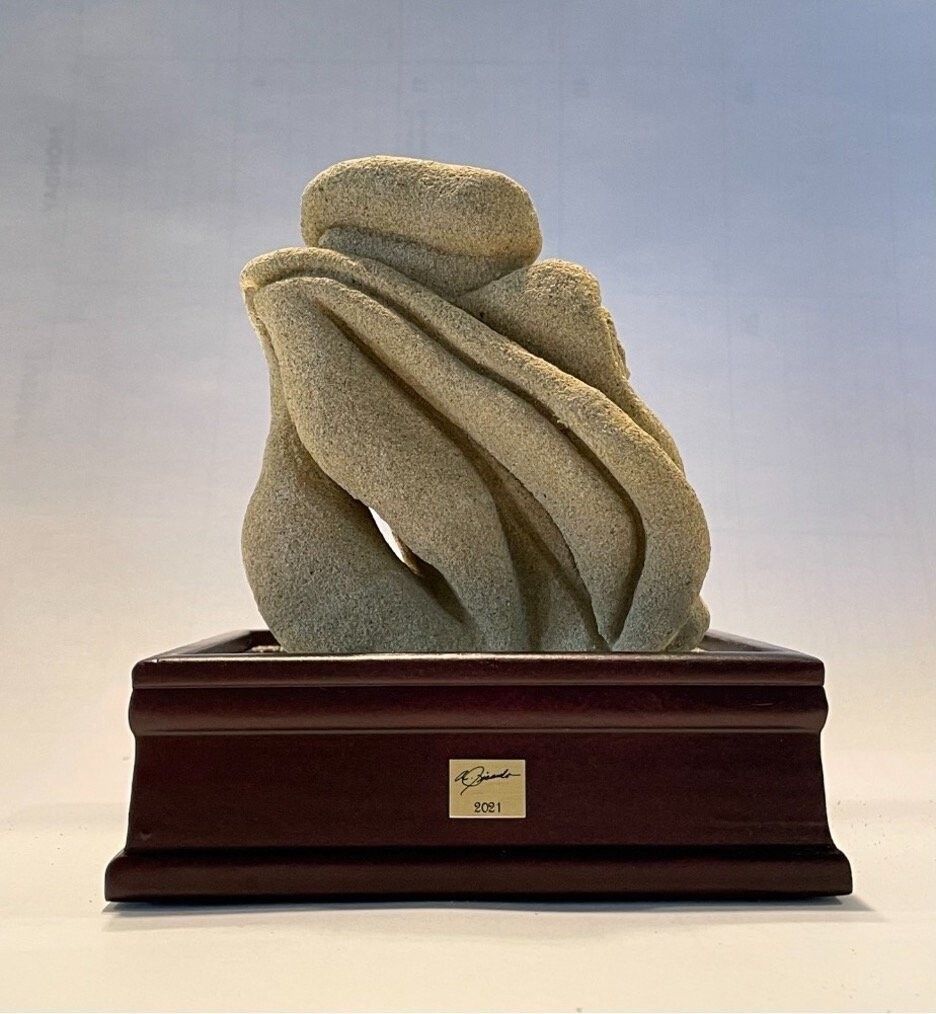
Quick Overview: Flame Rock is an abstract Bonseki sculpture by Anthony Picardo that brings together the strength of stone and the visual energy of a rising flame. Its organic form invites different interpretations, from fire and movement to natural formations. This blog explores the sculpture’s texture, presence, emotional character, and ability to add curiosity and personality to contemporary spaces. What if a piece of stone could make you feel movement? That is the first impression Flame Rock can leave. Its unusual form seems to rise, twist, and reach upward, carrying the visual energy of a flame while remaining firmly rooted in the strength of stone. Created by Anthony Picardo, this Bonseki sculpture at A. Picardo Art has an intriguing presence that changes the longer you look at it. At first, you may see fire. Then perhaps a natural formation, a sweeping gesture, or something you cannot quite name. And that uncertainty is part of its beauty. Flame Rock does not give you a single image to recognize. It gives your imagination room to participate. The First Thing You May Notice: Movement Look at Flame Rock for a moment, and the eye naturally begins to travel. The form seems to rise, twist, and reach upward. It has the visual rhythm of something in motion, much like a flame that refuses to remain still. Though carved from stone, the piece carries an almost fluid quality. That contrast gives it much of its charm. Fire suggests warmth, movement, transformation, and energy. Stone suggests permanence, strength, and stillness. Within Flame Rock, those two impressions seem to meet. You might see the suggestion of a flame dancing upward. Another viewer may see a sculptural landscape shaped by the forces of nature. Someone else may simply be drawn to the unusual silhouette. There is no single way to look at it. And that freedom is part of the pleasure. When Strength Meets Energy There is a beautiful tension between the solidity of the stone and the energy suggested by its form. The material feels grounded, almost elemental. Yet the shape gives the impression of something rising beyond that sense of weight. Your eye follows its contours, and the sculpture begins to feel less like a stationary object and more like a moment captured in transformation. For anyone drawn to modern art for collectors , this kind of duality can make a piece especially rewarding. It gives you something immediate—the beauty of the form—and something quieter that reveals itself gradually. You do not have to know exactly what you are seeing to appreciate it. Sometimes, an artwork becomes memorable simply because it gives your imagination somewhere to wander. What Do You See in Flame Rock? This may be the most delightful question to ask. What appears to you first? A flame? A rising force? A fragment of landscape? Perhaps something entirely personal? Abstract art does not insist upon one interpretation. Instead, it offers shapes, textures, movement, and atmosphere, allowing the viewer to complete the experience. Flame Rock has that quality of visual openness. Its organic form hints at something recognizable without becoming completely literal. You can sense movement without seeing a specific object. You can feel energy without being told where it comes from. That is one reason modern art for collectors can bring such character to a space. It does not simply fill an empty surface or occupy a display area. It creates a small moment of curiosity. You glance at it. Then you look again. And somehow, you notice something you missed the first time. An Artwork That Adds Energy Without Taking Over Not every beautiful artwork needs to command an entire room. Some pieces have a quieter presence—one that rewards closeness rather than demanding attention from across the space. Flame Rock has that intimate quality. Its compact scale allows it to become part of its surroundings while still offering a distinctive visual statement. Imagine it resting on a beautifully arranged shelf, a console, a writing desk, a library surface, or within a collection of sculptural works. Its organic silhouette can bring softness and movement to clean architectural lines. In a minimalist setting, it can introduce a touch of mystery. Among other collected works, it can provide an unexpected change of texture and form. Rather than feeling simply placed in a room, it can feel discovered there. And that can make a space feel far more personal. There Is Warmth in the Way It Feels The name Flame Rock naturally brings warmth to mind. Not necessarily the heat of fire, but the softer associations that come with it—glow, vitality, energy, and the comforting presence of something alive. Paired with the grounded character of stone, that warmth becomes even more intriguing. The sculpture can evoke curiosity when you first encounter it, strength when you notice its material, and energy as your eyes follow its upward movement. Its connection to an organic form can also create a gentle reminder of the natural world. Yet the artwork never needs to dictate what you feel. One person may experience confidence in its strong form. Another may find wonder in its ambiguity. Someone else may simply enjoy the quiet warmth it brings to a room. Art becomes most personal when it leaves space for that kind of response. Why It Can Become a Personal Piece The artworks we remember most are rarely the ones we simply admire and move past. They are the ones that slowly become part of our surroundings—and, over time, part of our story. You may first be drawn to Flame Rock for its unusual form. As you live with it, its rising shape may begin to evoke movement, creativity, strength, or quiet energy. That is the beauty of abstract art: its meaning can grow with you. Flame Rock does not offer a finished story. It leaves space for your memories, moods, and imagination to shape one. For a collector, that personal connection can make a piece feel truly at home. A Natural Connection in a Contemporary Form Perhaps one of the most beautiful qualities of Flame Rock is the relationship between nature and artistic expression. The sandstone brings with it an inherent sense of the earth—its texture, weight, and organic character. The sculpted form then takes that natural foundation somewhere more imaginative. It feels organic without being entirely familiar. That makes it particularly suited to contemporary interiors. A room built around clean lines and refined surfaces can sometimes benefit from something less predictable. An organic sculpture introduces a softer visual rhythm. It can break the uniformity of straight edges and polished finishes while retaining a sophisticated presence. And because the form remains abstract, it can sit comfortably within many different collections and surroundings. It does not need to match everything. It simply needs to speak to you. A Small Piece With a Lasting Presence Flame Rock may not need to be the largest artwork in your space to become one of the most intriguing. Its appeal lies in the conversation between opposites: fire and stone, movement and stillness, strength and delicacy, nature and imagination. Look at it one way, and you may see a flame rising. Look again, and another possibility begins to emerge. That shifting perception is one of the pleasures of collecting modern art. The artwork remains the same, but your experience of it can change. And perhaps that is the mark of a piece worth living with. It does not tell you what to think. It keeps giving you reasons to look. Bring More Art Into Your Story Let your eyes wander a little further. The world of A. Picardo Art extends beyond Flame Rock, with Frac-Art and Bonseki works that invite you to pause, interpret, and see beauty from a different angle. Visit A. Picardo Art , explore the collection, and discover an artwork that gives your space its own character. FAQs 
By William Packard • September 23, 2026
Quick Overview: Displaying abstract artwork is about more than finding an empty wall. The right setting can bring out its colors, forms, scale, and character while making the piece feel connected to your space. This blog explores practical ways to choose placement, lighting, color, contrast, and surrounding décor so your artwork can become a meaningful part of your everyday environment. You can find a beautiful abstract artwork, bring it home, and still feel that something is missing. The piece may be striking on its own, but the wall, lighting, furniture, and space around it can change how you experience it. At A. Picardo Art, this relationship between artwork and its surroundings is especially interesting. FRAC-ART and AmerAsian BONSEKI offer different ways to bring color, form, texture, and imagination into a space. So, how do you create the right setting for an abstract piece? It is less about strict decorating rules and more about giving the artwork room to be seen, noticed, and experienced. Start With the Artwork, Not the Room When you bring home an abstract artwork, it can be tempting to start by thinking about whether it matches your furniture. Try reversing that approach. Start with the artwork itself. Look at its dominant colors. Notice whether it feels energetic, quiet, dramatic, organic, or fluid. Consider where your eyes naturally move across the piece. This matters because abstract art does not always have a recognizable subject guiding the viewer. Color, shape, line, texture, and composition become its visual language. A FRAC-ART piece may call for a different setting than a sandstone BONSEKI sculpture. Let the artwork guide your choices rather than forcing it to fit the room. Give the Artwork Some Breathing Room One of the simplest ways to make artwork stand out is to avoid surrounding it with too many competing elements. Imagine walking into a room and seeing one artwork on a relatively open wall. Your attention naturally moves toward it. Now imagine the same piece surrounded by shelves, photographs, mirrors, decorative objects, and busy patterns. The artwork may still be beautiful, but its visual impact can become diluted. This is where gallery style abstract art offers a useful lesson. Gallery environments often give individual works enough visual space for viewers to concentrate on them. You do not need an empty room. You simply need enough breathing room for the artwork to hold your attention. Think About Scale Before You Hang It Size can completely change the way an artwork feels in a room. A small piece can disappear on a large empty wall, while a large artwork can overwhelm a narrow area. The goal is to create a comfortable sense of proportion between the artwork, wall, and nearby furniture. Before hanging a piece, step back and look at the wall as a whole. Is the artwork large enough to hold attention? Does it have enough space around it? Does the furniture beneath it make the composition feel balanced? Smaller sculptural works can create a different experience. A BONSEKI piece can become an intimate visual discovery when placed on a carefully chosen shelf, console, or desk. Let Lighting Reveal the Artwork Lighting can change the personality of art. Natural light may make colors appear different throughout the day, while directional lighting can draw attention to particular areas of an artwork. For sculptures, light can be especially interesting because shadows become part of the visual experience. Think about light falling across an uneven stone surface. Tiny ridges and curves become more visible, giving the object additional depth. This can be especially interesting with BONSEKI, where hand-shaped sandstone forms have physical texture and sculptural dimensions. For wall-mounted abstract work, avoid lighting that creates distracting glare. The goal is simple: use lighting to make the artwork easier to experience, not harder to see. Use Color as a Conversation Abstract art can completely change the color story of a room. You do not necessarily need to match your cushions, curtains, or furniture to the artwork. In fact, matching everything too closely can make the space feel predictable. Instead, look for a relationship. Perhaps one small color from the artwork appears somewhere else in the room. Maybe the surrounding furniture provides a quiet neutral background that allows stronger colors to stand forward. FRAC-ART offers an especially vivid example of how color can become central to the artwork. Its approach explores fractured rainbow imagery and unexpected colors. When an artwork already carries strong color, restraint around it can be powerful. Let the artwork provide the energy while the surrounding space gives that energy somewhere to breathe. Create Contrast Without Creating Conflict Contrast helps artwork attract attention, but too much contrast can quickly become visual noise. A sculptural stone piece can look striking against a clean, modern surface. A colorful abstract image can stand apart from a quieter wall. An organic form can become more noticeable when surrounded by simple architectural lines. The key is balance. If every object in the room is competing to become the statement piece, nothing gets the spotlight. Instead, choose one primary visual attraction and allow the surrounding elements to support it. This is one of the useful ideas behind gallery style abstract art. The environment should help you concentrate on the artwork instead of constantly pulling your eyes toward other objects. Consider the Viewing Experience Where will people see the artwork? Will they walk past it quickly, sit opposite it every evening, notice it first when entering the room, or discover it while working at a desk? Placement can influence your relationship with a piece. An artwork placed at eye level in a frequently used room can become part of everyday life. A sculpture positioned on a quieter shelf may encourage people to move closer and examine its details. There is no single perfect location for abstract art. The right location is the one that gives the artwork an opportunity to be experienced. Think about how people move through the space, then choose a position that naturally invites them to pause. Don't Be Afraid of Empty Space Empty space is not wasted space. Sometimes, the area surrounding an artwork is what allows it to make an impression. Think of a pause in music. The silence does not interrupt the song. It gives the notes around it room to matter. Art can work in much the same way. Leaving some visual breathing room around a striking abstract piece can make the work feel intentional rather than simply placed. This is particularly useful when creating a gallery style abstract art setting at home. You are not trying to copy a museum. You are creating a moment where the artwork can hold your attention. A quieter wall can sometimes say more than a crowded display. Let the Artwork Become Part of Your Story The best artwork is not simply something you hang on a wall. Over time, it can become part of the way you experience your home, studio, or personal space. You may notice a new detail in the colors one day or see a familiar form differently the next. That changing experience is what makes art feel personal. With FRAC-ART and BONSEKI, A. Picardo Art offers distinctive works that can bring visual interest, conversation, and personality into your surroundings. Explore the collections to find a piece that connects with your taste and gives your space something meaningful to say. Create a Space That Lets Art Speak Once you have chosen the right artwork, let the surrounding space support it rather than compete with it. A simple wall, thoughtful lighting, and enough room to view the piece can make its colors, shapes, and details stand out naturally. The goal is not to fill every corner, but to create an environment where the artwork has room to make an impression. If you are looking for distinctive art with an unusual visual and sculptural character, A. Picardo Art invites you to explore its FRAC-ART and BONSEKI collections . Find a piece that adds character to your surroundings and makes the space feel distinctly yours. FAQs 
By William Packard • September 23, 2026
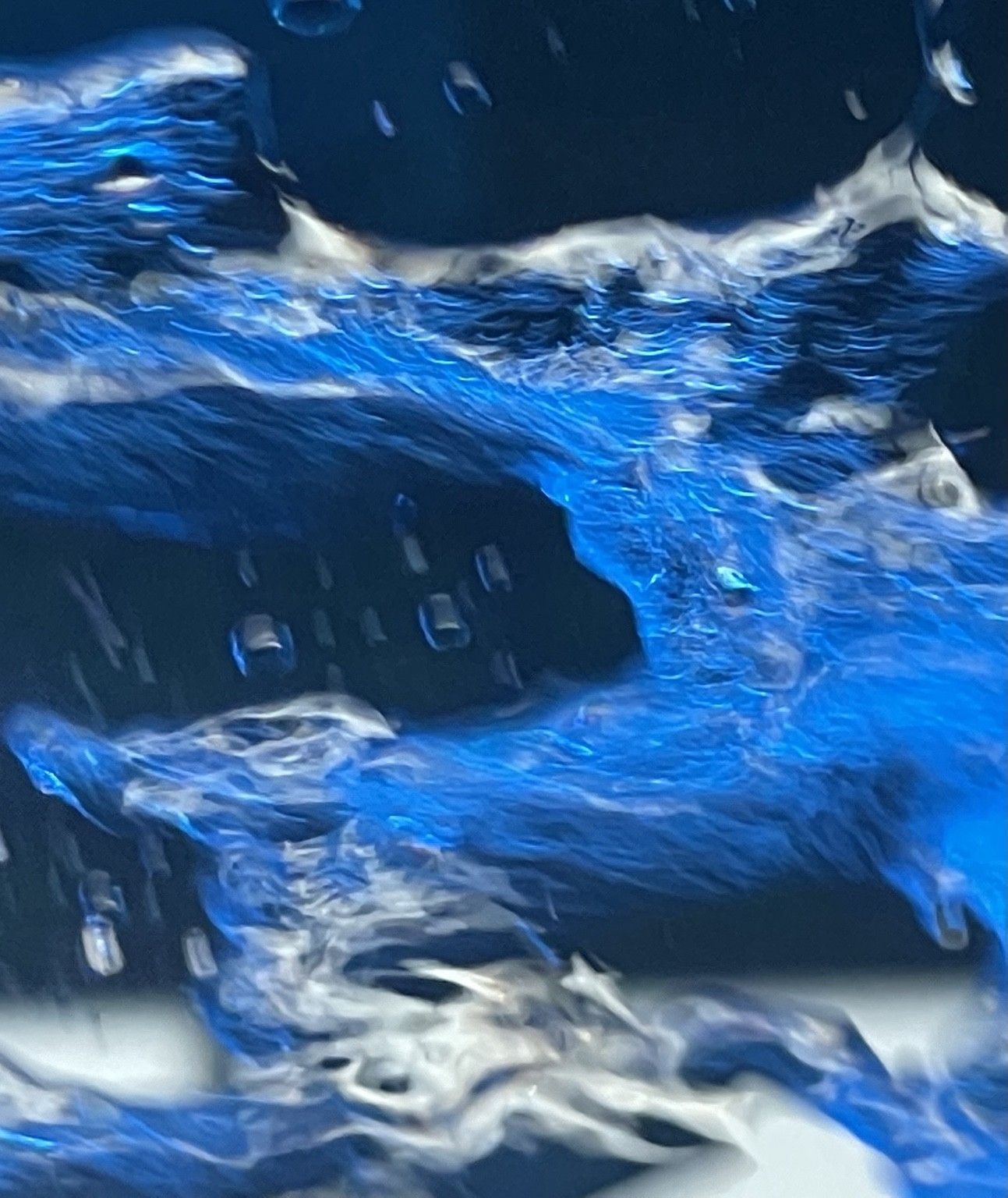
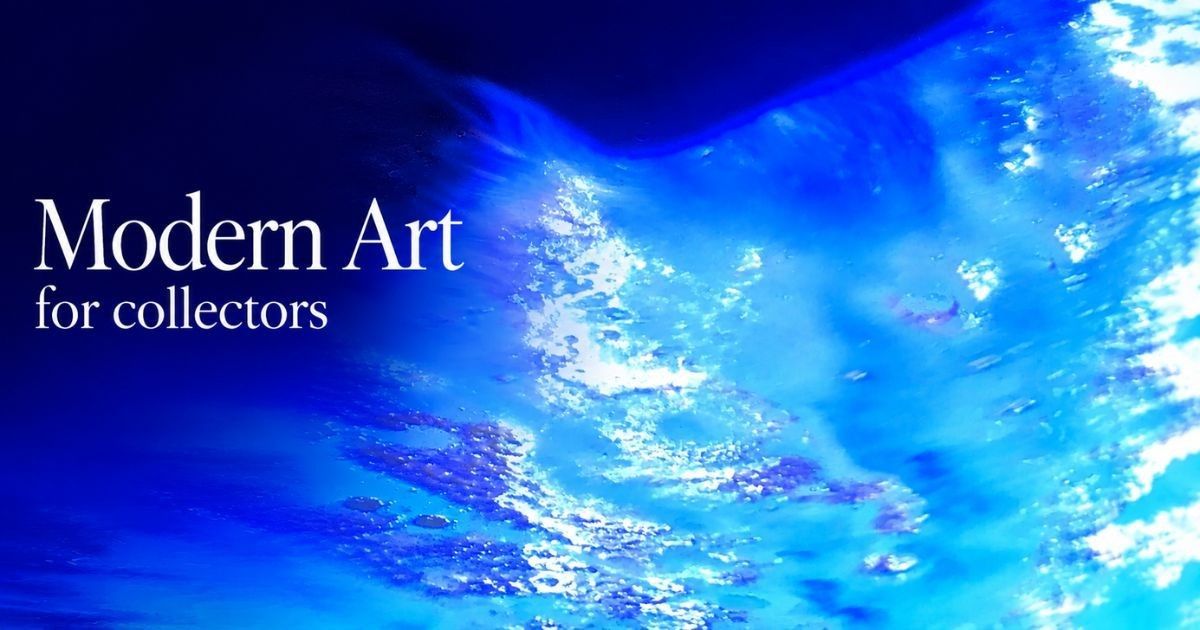
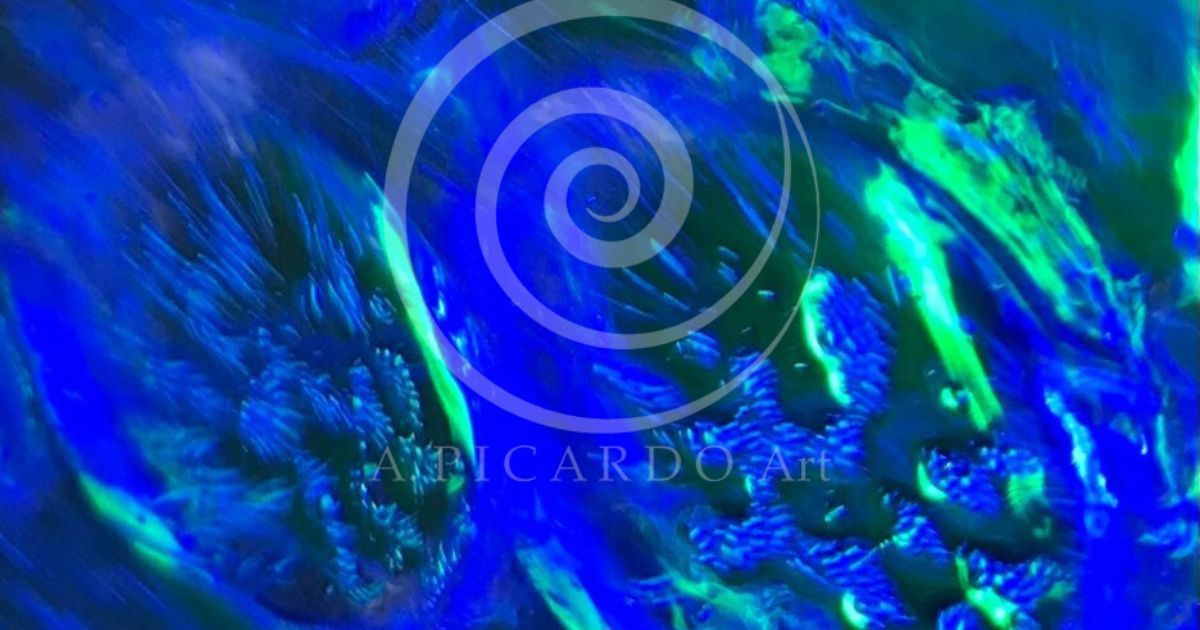
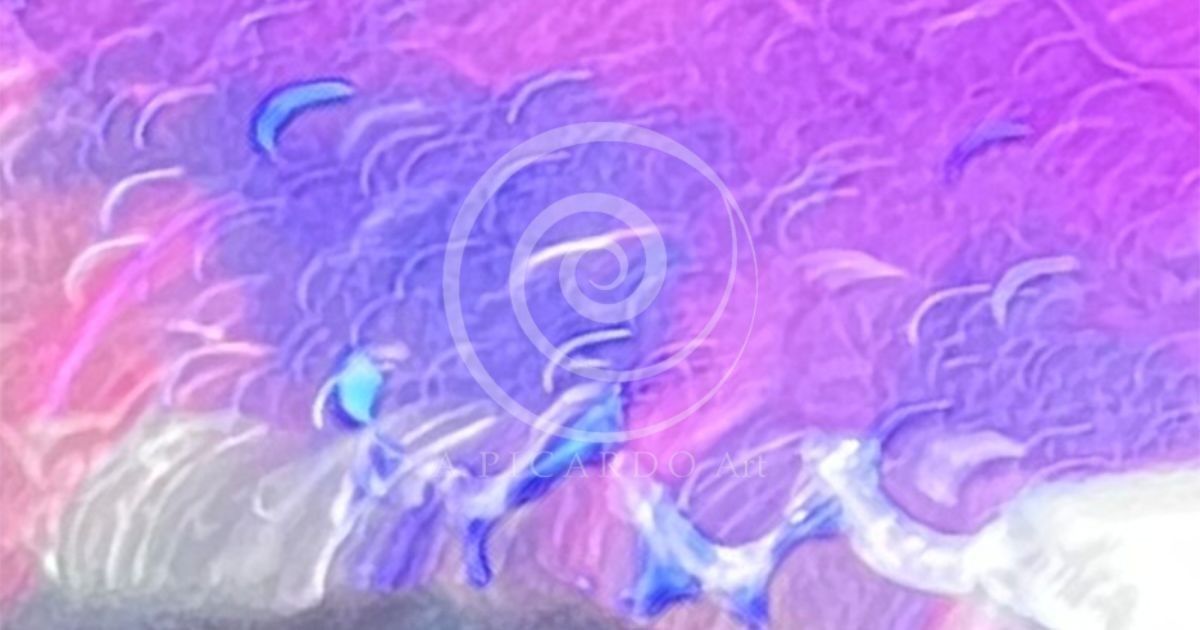
Quick Overview: FLOWING IN THE BLUES invites you to experience blue not simply as a color, but as an emotion. Through flowing movement and expressive depth, the artwork evokes the quiet of water, the freedom of the sky, and the mystery of distant spaces. This reflection explores how abstract art can create moments of calm, awaken memories, and leave room for personal wonder. There are colors we see, and then there are colors we feel. Blue belongs to the second kind. It can carry the roar of ocean waves, the freedom of an endless sky, the quiet of an early morning, or the deep silence of water when the world above it has finally grown still. Blue does not always ask to be understood. Sometimes, it simply asks us to remain with it. That is the feeling at the heart of FLOWING IN THE BLUES, an artwork from A. Picardo Art that seems to exist somewhere between stillness and movement, between what the eye can see and what the heart quietly imagines. Looking at it feels less like arriving at an answer and more like drifting into a thought. Where the Blue Begins Every painting begins with a feeling before it becomes an image. There is often something an artist senses before finding words for it—a mood, a memory, a fascination with light and color, or a fleeting moment that deserves to remain. In FLOWING IN THE BLUES, blue becomes that language. It moves through the artwork with a sense of freedom, drawing the viewer into its changing depths and allowing the imagination to wander. For one viewer, it may feel like water. For another, an endless sky. For someone else, it may awaken a place they have never forgotten. That openness is part of the appeal. You do not have to solve the painting. You can simply spend time with it and allow your own interpretation to emerge. A Feeling That Has No Name Have you ever stood somewhere beautiful and felt completely silent inside? Not sad. Not happy. Just still. For a brief moment, everything else seems to disappear. You notice the sky, the movement of water, the softness of light, or the quiet around you. Nothing extraordinary has happened, yet something within you feels different. FLOWING IN THE BLUES carries a little of that experience. Imagine it hanging where you begin your morning or end your day. Its presence may become part of those quiet moments when you are not looking for anything, yet find yourself looking at it. That is one of the pleasures of owning original art. With time, the artwork becomes connected to your own life and memories. When Calm Meets Wonder Calm and wonder often arrive together. Think of looking into a night sky. Its silence can feel comforting, while its vastness reminds you that the world extends far beyond what you can see. Blue can hold that same feeling. This is where cosmic color abstract art offers an interesting way to experience FLOWING IN THE BLUES. The cosmos suggests distance, mystery, light, darkness, and an almost limitless sense of space. Yet an artwork does not need to show planets or stars to awaken those emotions. A deep blue can feel infinite. Softer tones can suggest air and distance. Flowing forms can make the eye wander beyond the edges of the familiar. For a moment, your surroundings seem to become larger. The Beauty of Drifting There is something reassuring about water because it never seems concerned about finding the perfect path. It moves around stones, follows the land, catches the light, and continues onward. That is the feeling behind the word flowing. FLOWING IN THE BLUES encourages the eye to move naturally through the work rather than settle on one fixed interpretation. One impression gives way to another, and slowly, looking becomes less about identifying something and more about experiencing it. In a world that constantly asks us to hurry, that kind of drifting can feel precious. Perhaps you want a piece of art that gives your room more than visual interest. Perhaps you want something that makes you pause whenever you pass it. That is where this artwork can find its place. A Conversation Between Artist and Viewer Abstract art creates a special relationship between the person who makes it and the person who eventually lives with it. The artist offers the beginning of an idea, while the viewer brings memories, emotions, and imagination to complete the experience. That openness can be seen throughout A. Picardo's artistic practice. His work spans painting, sculpture, bonsai, lapidary, and photography, along with FRAC-ART and AmerAsian BONSEKI creations. These different forms reflect an artistic interest in seeing familiar ideas differently. FLOWING IN THE BLUES becomes part of that conversation through its use of color and movement. When you bring an original piece into your own space, that conversation continues. The artwork no longer exists only as the artist's expression. It begins to gather your experiences, too. When a Painting Becomes Yours The moment you purchase an original artwork, your relationship with it changes. Until then, you are looking at someone else's creation. Once it becomes yours, it enters your daily surroundings and slowly becomes part of your story. Perhaps you choose FLOWING IN THE BLUES because the blues remind you of the ocean. Maybe you love the sense of openness it creates. Or perhaps something about the work simply makes you feel peaceful. Years later, the reason may have changed. That is the beauty of living with art. Its meaning does not have to remain fixed. A painting can gather memories as life moves forward, becoming connected to places, people, seasons, and moments you never imagined when you first brought it home. Beyond the Visible Art can say something to us without giving us a clear answer. FLOWING IN THE BLUES, as a work of FRAC-ART, invites that personal connection through color, light, and movement. Its blues may remind you of open skies, quiet water, or a place that still lives in your memory. This is where cosmic color abstract art can feel so captivating—it leaves room for your imagination to take over. You may see one thing today and something completely different tomorrow. Perhaps that is the magic: you are not simply looking at the artwork; you are finding a little of yourself within it. Why Bring FLOWING IN THE BLUES Into Your Space? Sometimes, the right artwork changes how a space feels without changing anything else. FLOWING IN THE BLUES can bring that kind of quiet presence to your surroundings. It may feel at home in a peaceful bedroom, a welcoming living room, or an office where you need moments of calm between busy hours. The flowing blues invite your eyes to linger and your thoughts to wander. Over time, the artwork can become familiar in the best way, offering a small moment of beauty whenever you happen to look at it. Let the Blue Become Part of Your Space Art does not always announce why it belongs somewhere. Sometimes, you simply keep returning to it, noticing a new feeling each time. If FLOWING IN THE BLUES has stayed with you, follow that feeling a little further. Visit A. Picardo Art to explore the collection, view additional artwork, and learn more about the creative work behind it. Perhaps this is the piece that feels right for your space and your story. FAQs 
handcrafted sandstone sculpture
By William Packard • September 23, 2026
Wonder where to display Bonseki sculptures? Explore five thoughtful settings that bring out the beauty, texture, and character of contemporary stone art.
modern art for collectors
By William Packard • August 11, 2026
Find the perfect art piece for your home or collection. Explore how contemporary artwork transforms spaces through creativity, expression, and meaning.
modern abstract artwork for sale
By William Packard • July 10, 2026
Discover how to pick modern abstract artwork for sale for homes and offices. Get simple tips on style, space, and emotional connection in art.
handcrafted sandstone sculpture
By William Packard • July 10, 2026
Discover 7 must-have sandstone sculptures for stylish interiors. Explore handcrafted sandstone sculpture ideas that add depth, warmth, and timeless elegance.
abstract sandstone sculpture for sale
By William Packard • June 12, 2026
Learn 10 simple ways to style Bonseki sculptures and transform your space using natural stone art and handcrafted sandstone sculpture designs.
cosmic color abstract art
By William Packard • June 12, 2026
See how Frac-Art blends photography, color, and creativity to create abstract artwork that sparks curiosity and conversation.
luxury art gifts for collectors
By William Packard • June 5, 2026
Learn how small luxury art collectibles can beautify spaces, grow in value, and help new collectors start a meaningful, elegant collection.