The Art of Display: Creating the Right Setting for an Abstract Piece

Quick Overview: Displaying abstract artwork is about more than finding an empty wall. The right setting can bring out its colors, forms, scale, and character while making the piece feel connected to your space. This blog explores practical ways to choose placement, lighting, color, contrast, and surrounding décor so your artwork can become a meaningful part of your everyday environment.
You can find a beautiful abstract artwork, bring it home, and still feel that something is missing. The piece may be striking on its own, but the wall, lighting, furniture, and space around it can change how you experience it. At A. Picardo Art, this relationship between artwork and its surroundings is especially interesting. FRAC-ART and AmerAsian BONSEKI offer different ways to bring color, form, texture, and imagination into a space.
So, how do you create the right setting for an abstract piece? It is less about strict decorating rules and more about giving the artwork room to be seen, noticed, and experienced.
Start With the Artwork, Not the Room
When you bring home an abstract artwork, it can be tempting to start by thinking about whether it matches your furniture. Try reversing that approach. Start with the artwork itself.
Look at its dominant colors. Notice whether it feels energetic, quiet, dramatic, organic, or fluid. Consider where your eyes naturally move across the piece. This matters because abstract art does not always have a recognizable subject guiding the viewer. Color, shape, line, texture, and composition become its visual language.
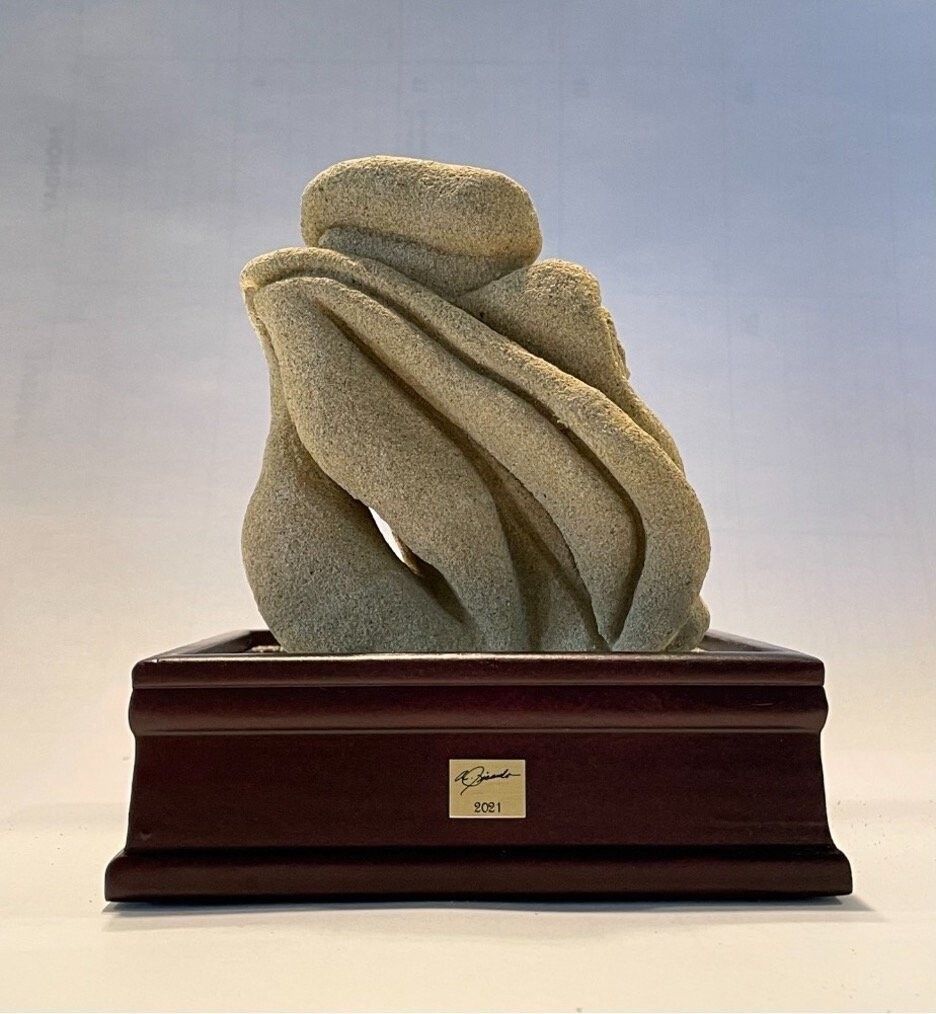
A FRAC-ART piece may call for a different setting than a sandstone BONSEKI sculpture. Let the artwork guide your choices rather than forcing it to fit the room.
Give the Artwork Some Breathing Room
One of the simplest ways to make artwork stand out is to avoid surrounding it with too many competing elements.
Imagine walking into a room and seeing one artwork on a relatively open wall. Your attention naturally moves toward it. Now imagine the same piece surrounded by shelves, photographs, mirrors, decorative objects, and busy patterns. The artwork may still be beautiful, but its visual impact can become diluted.
This is where gallery style abstract art offers a useful lesson. Gallery environments often give individual works enough visual space for viewers to concentrate on them. You do not need an empty room. You simply need enough breathing room for the artwork to hold your attention.
Think About Scale Before You Hang It
Size can completely change the way an artwork feels in a room. A small piece can disappear on a large empty wall, while a large artwork can overwhelm a narrow area. The goal is to create a comfortable sense of proportion between the artwork, wall, and nearby furniture.
Before hanging a piece, step back and look at the wall as a whole. Is the artwork large enough to hold attention? Does it have enough space around it? Does the furniture beneath it make the composition feel balanced?
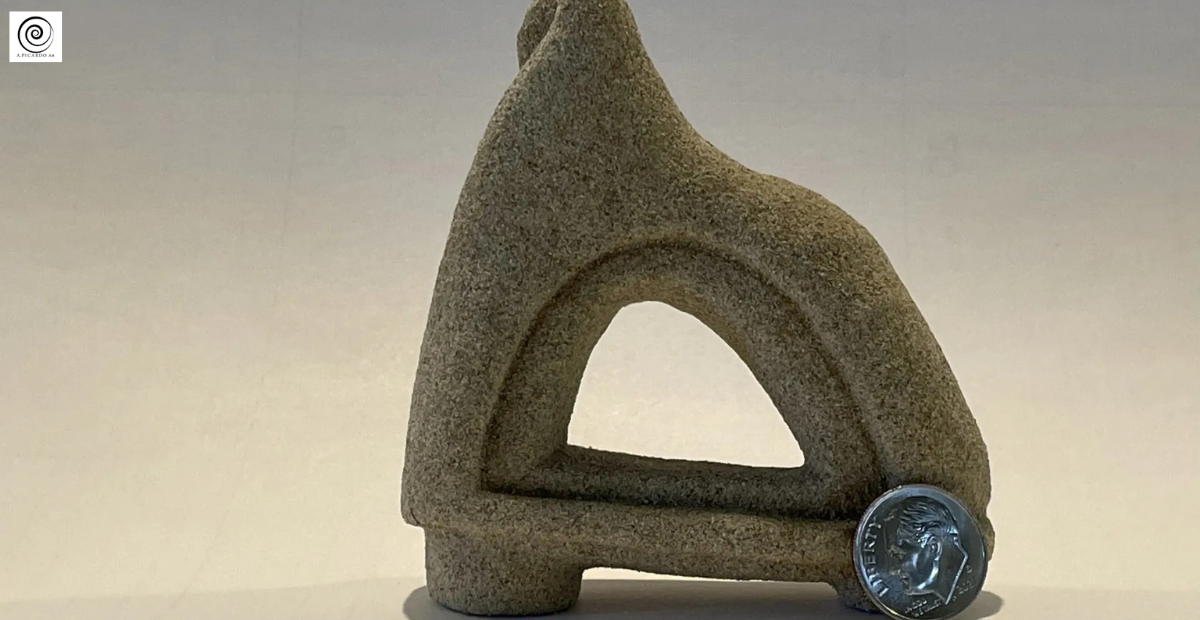
Smaller sculptural works can create a different experience. A BONSEKI piece can become an intimate visual discovery when placed on a carefully chosen shelf, console, or desk.
Let Lighting Reveal the Artwork
Lighting can change the personality of art. Natural light may make colors appear different throughout the day, while directional lighting can draw attention to particular areas of an artwork. For sculptures, light can be especially interesting because shadows become part of the visual experience.
Think about light falling across an uneven stone surface. Tiny ridges and curves become more visible, giving the object additional depth.
This can be especially interesting with BONSEKI, where hand-shaped sandstone forms have physical texture and sculptural dimensions. For wall-mounted abstract work, avoid lighting that creates distracting glare.
The goal is simple: use lighting to make the artwork easier to experience, not harder to see.
Use Color as a Conversation
Abstract art can completely change the color story of a room. You do not necessarily need to match your cushions, curtains, or furniture to the artwork. In fact, matching everything too closely can make the space feel predictable. Instead, look for a relationship.
Perhaps one small color from the artwork appears somewhere else in the room. Maybe the surrounding furniture provides a quiet neutral background that allows stronger colors to stand forward.
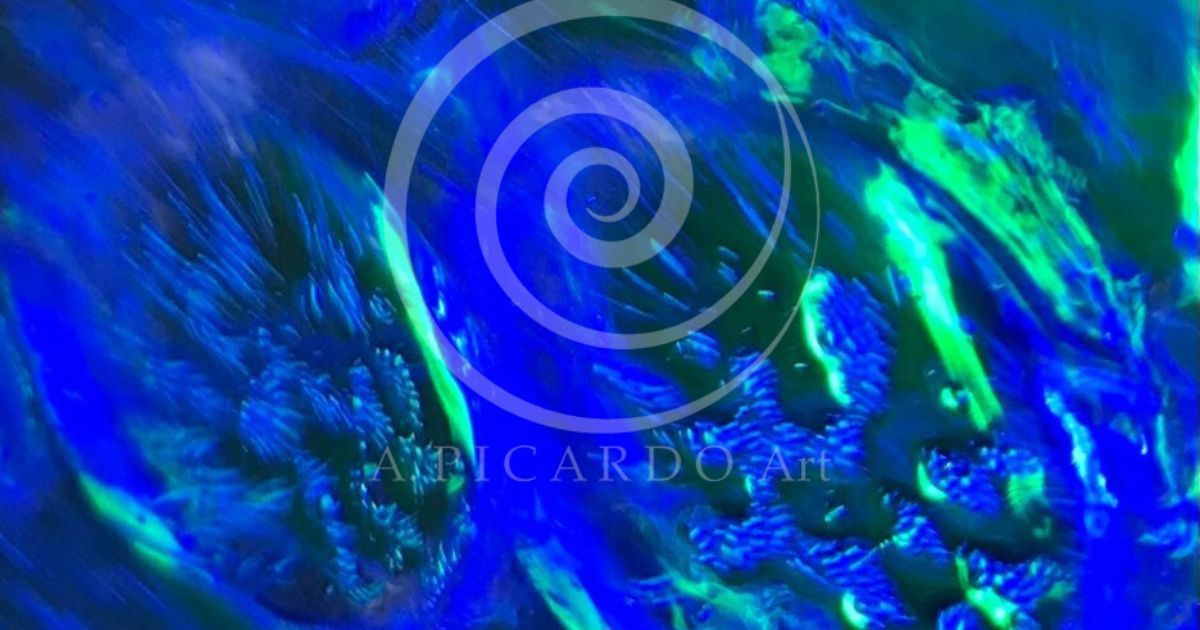
FRAC-ART offers an especially vivid example of how color can become central to the artwork. Its approach explores fractured rainbow imagery and unexpected colors. When an artwork already carries strong color, restraint around it can be powerful.
Let the artwork provide the energy while the surrounding space gives that energy somewhere to breathe.
Create Contrast Without Creating Conflict
Contrast helps artwork attract attention, but too much contrast can quickly become visual noise.
A sculptural stone piece can look striking against a clean, modern surface. A colorful abstract image can stand apart from a quieter wall. An organic form can become more noticeable when surrounded by simple architectural lines.
The key is balance. If every object in the room is competing to become the statement piece, nothing gets the spotlight. Instead, choose one primary visual attraction and allow the surrounding elements to support it.
This is one of the useful ideas behind gallery style abstract art. The environment should help you concentrate on the artwork instead of constantly pulling your eyes toward other objects.
Consider the Viewing Experience
Where will people see the artwork? Will they walk past it quickly, sit opposite it every evening, notice it first when entering the room, or discover it while working at a desk? Placement can influence your relationship with a piece.
An artwork placed at eye level in a frequently used room can become part of everyday life. A sculpture positioned on a quieter shelf may encourage people to move closer and examine its details.
There is no single perfect location for abstract art. The right location is the one that gives the artwork an opportunity to be experienced. Think about how people move through the space, then choose a position that naturally invites them to pause.
Don't Be Afraid of Empty Space
Empty space is not wasted space. Sometimes, the area surrounding an artwork is what allows it to make an impression.
Think of a pause in music. The silence does not interrupt the song. It gives the notes around it room to matter. Art can work in much the same way. Leaving some visual breathing room around a striking abstract piece can make the work feel intentional rather than simply placed.
This is particularly useful when creating a gallery style abstract art setting at home. You are not trying to copy a museum. You are creating a moment where the artwork can hold your attention. A quieter wall can sometimes say more than a crowded display.
Let the Artwork Become Part of Your Story
The best artwork is not simply something you hang on a wall.
Over time, it can become part of the way you experience your home, studio, or personal space. You may notice a new detail in the colors one day or see a familiar form differently the next. That changing experience is what makes art feel personal.
With FRAC-ART and BONSEKI, A. Picardo Art offers distinctive works that can bring visual interest, conversation, and personality into your surroundings. Explore the collections to find a piece that connects with your taste and gives your space something meaningful to say.
Create a Space That Lets Art Speak
Once you have chosen the right artwork, let the surrounding space support it rather than compete with it. A simple wall, thoughtful lighting, and enough room to view the piece can make its colors, shapes, and details stand out naturally.
The goal is not to fill every corner, but to create an environment where the artwork has room to make an impression.
If you are looking for distinctive art with an unusual visual and sculptural character, A. Picardo Art invites you to explore its FRAC-ART and BONSEKI collections. Find a piece that adds character to your surroundings and makes the space feel distinctly yours.
FAQs
How much space should I leave around abstract artwork?
Leave enough surrounding space for the artwork to stand out visually. Open space helps viewers appreciate its colors, shapes, textures, and overall composition.
Does lighting affect how abstract artwork looks?
Yes. Proper lighting can highlight colors, forms, and details while creating a comfortable viewing experience without causing distracting glare or harsh reflections.
What size artwork works best for a room?
Consider the wall size, furniture placement, and viewing distance. Larger artwork can anchor open walls, while smaller pieces work well in intimate spaces.
What makes gallery style abstract art different from traditional wall décor?
Gallery style abstract art can introduce expressive colors, unusual forms, and visual movement, giving a room a stronger artistic character beyond simple decoration.
Can gallery style abstract art work in a minimalist room?
Absolutely. A distinctive abstract piece can add color and personality to minimalist surroundings while allowing the clean, open setting to remain visually balanced.