Stop Decorating. Start Expressing: Choose Artwork That Tells Your Story
Blog Overview: Art is more than a decorative element. It is a reflection of personality, emotions, and creativity. This blog explores how choosing the right artwork can transform a space from beautifully designed to deeply personal. Learn why original pieces matter, how collectors connect with art, and how meaningful artwork can create lasting impressions beyond changing décor trends.
A beautifully designed room can impress people. But a truly meaningful space tells a story. The difference often comes down to one element—art. Furniture creates structure. Colors create atmosphere. But artwork adds identity. It reflects curiosity, personal taste, and the emotions that make a space feel uniquely yours.
The most memorable interiors are rarely the ones filled with perfectly matched décor. They are the ones that include pieces with character. Artwork that invites conversation, creates a feeling, and reveals something about the person who chose it.
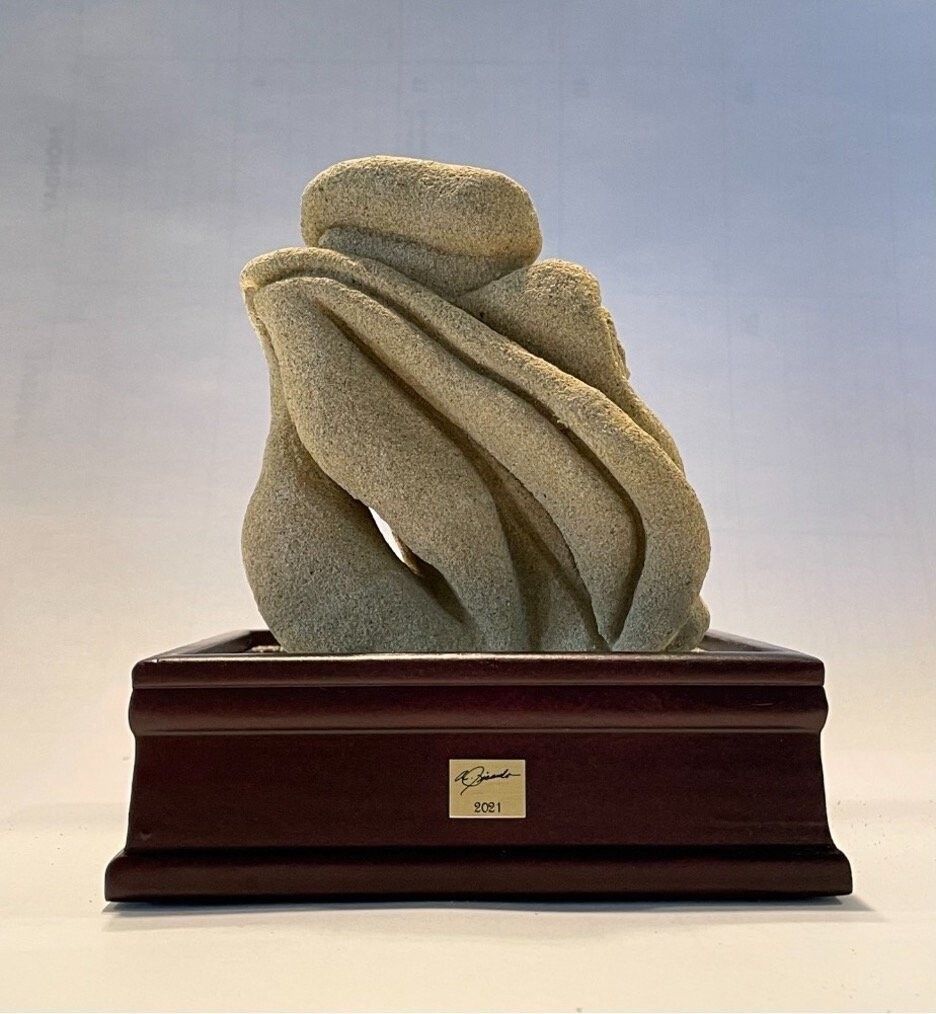
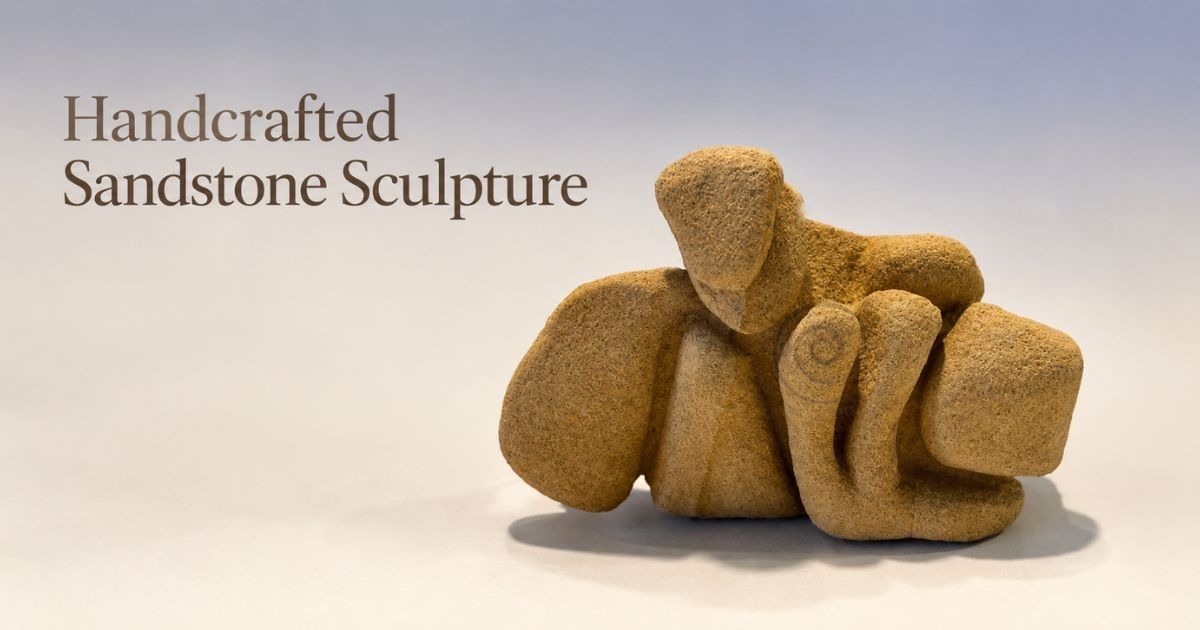
This artistic vision is reflected in A. Picardo Art, where artist Anthony Picardo explores new ways of experiencing creativity through original works, including Frac-Art and Bonseki collections. His approach reflects a larger idea in contemporary art: a meaningful artwork is not simply something you display—it is something you experience.
Art Is More Than Decoration
For many people, choosing artwork begins with a simple question: “What will look good on my wall?” While visual appeal matters, collectors often look deeper. They search for pieces that carry intention, craftsmanship, and a unique artistic voice.
Decoration fills a space. Art gives it meaning.
A decorative object may follow a trend, but an original artwork can remain relevant because it represents a specific moment of creativity. The artist’s decisions, techniques, and perspective become part of the piece itself.
This is why collectors often develop a personal relationship with artwork. A painting, sculpture, or abstract composition becomes connected to memories, experiences, and emotions. The goal is not to find something that simply matches your home. The goal is to find something that adds another layer to your story.
The Difference Between Owning Art and Choosing Décor
There is a distinct difference between selecting artwork and choosing decoration. Décor often focuses on completing a look. Art focuses on creating a connection. When collectors choose a piece, they consider more than appearance. They think about the artist’s vision, the creative process, the materials used, and the emotions the artwork creates.
A strong artwork can continue revealing itself over time. A detail noticed today may create a completely different impression years later. This evolving relationship is one of the reasons original pieces hold such lasting appeal.
For those exploring modern art for collectors, the attraction often comes from this combination of creativity, individuality, and the opportunity to own something that cannot be exactly replicated.
Finding Artwork That Reflects Your Perspective
The right artwork does not always announce itself immediately. Sometimes, a piece creates an instant emotional response. Other times, the connection develops slowly as you spend more time with it.
When selecting art, consider how the piece makes you feel. Does it create curiosity? Does it change the energy of the room? Does it encourage you to pause and look again? These questions are often more valuable than asking whether the artwork matches your existing furniture.
Art should not simply blend into a space. It should contribute something meaningful to it. Whether you are drawn to bold abstract compositions, subtle textures, or sculptural forms, your choices reveal something about your personal perspective.
Why Original Artwork Holds Special Value
Every original artwork carries a story that begins long before it reaches your space. It includes the artist’s experimentation, decisions, challenges, and creative process. No two original pieces are exactly alike because each one captures a unique moment of artistic expression. This quality is especially important for collectors who appreciate authenticity.
A reproduced image may capture the appearance of an artwork, but it cannot fully represent the experience of owning an original creation. The textures, materials, and small details created by the artist become part of the relationship between the artwork and the viewer.
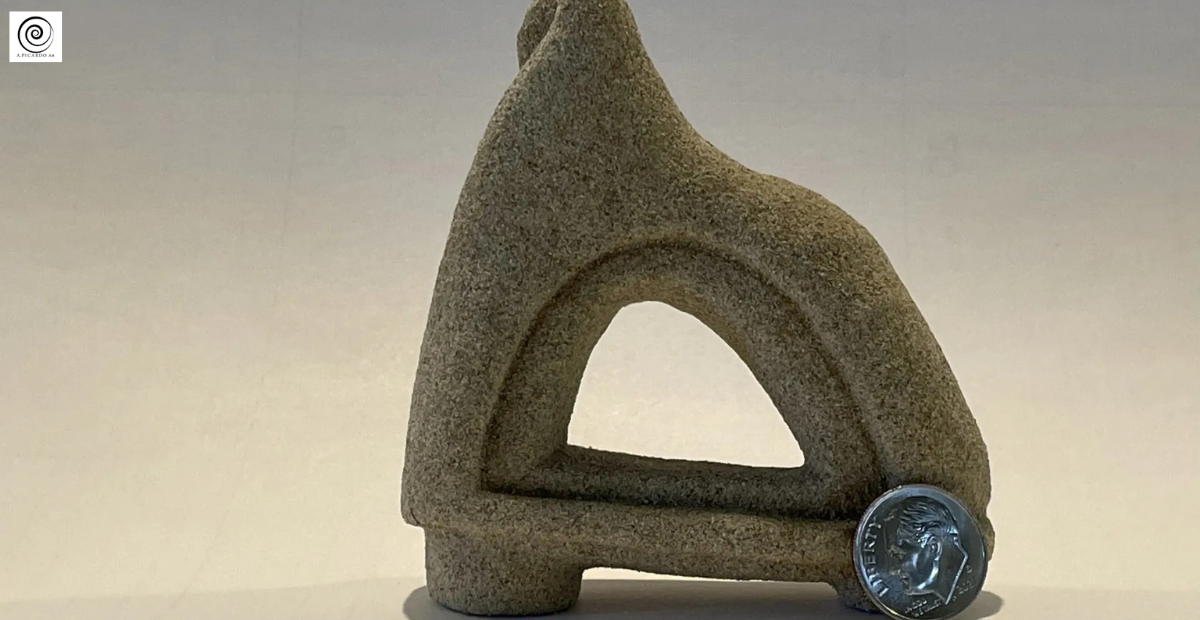
Anthony Picardo’s work reflects this understanding of originality. Through Frac-Art, he explores the transformation of light and color into abstract visual experiences. Through Bonseki-inspired sculpture, he brings attention to natural materials, craftsmanship, and the relationship between tradition and contemporary artistic expression.
The Role of Art in Creating Meaningful Spaces
A home or workspace is more than a physical environment. It is where ideas develop, memories are created, and everyday experiences unfold. The artwork surrounding you can influence how that space feels.
A carefully chosen piece can create a moment of calm in a busy room. It can add energy to a creative workspace. It can become a visual reminder of your interests, values, or experiences. This is why collectors often choose pieces that feel personal rather than simply fashionable.
Trends change, but personal connections remain. A meaningful artwork can move with you through different stages of life, adapting to new spaces while keeping the same emotional significance.
Collecting Art Begins With Curiosity
Collecting art begins with curiosity. Many people believe art collecting is only for experienced collectors or large institutions, but every meaningful collection starts the same way—with a single piece that creates a personal connection.
For those exploring modern art for collectors, the journey often begins with a moment of discovery. It could be a sculpture that captures your attention, an abstract composition that creates an unexpected emotion, or an artistic technique that changes the way you view creativity.
Over time, these individual choices become more than objects in a collection. They become reflections of your personal taste, experiences, and perspective. Art collecting is not only about ownership—it is about building a lasting relationship with creativity. The most meaningful collections are not always the largest; they are the ones where every piece carries a story and a reason for being chosen.
Choose Art That Speaks, Not Just Art That Fills Space
A room filled with objects can still feel incomplete. Sometimes, a single meaningful artwork has the ability to transform the entire atmosphere of a space. Great art does not simply complete a design—it creates a connection between the artist’s vision, the surroundings, and the person experiencing it.
This idea comes to life through A. Picardo Art, where Anthony Picardo explores new possibilities in contemporary artistic expression through original Frac-Art and Bonseki collections. By combining innovative techniques, unique materials, and a thoughtful approach to creativity, these works invite viewers to experience color, form, texture, and imagination in unexpected ways.
To explore the original Frac-Art and Bonseki collections, browse www.apicardo.com and discover artwork that reflects a unique connection between artistic innovation, craftsmanship, and modern visual expression.
FAQ's
1. How do I choose the right artwork for my space?
Choose artwork that connects with you emotionally. Consider your personal taste, the feeling you want to create, and how the piece fits your surroundings.
2. What makes artwork meaningful for collectors?
Meaningful artwork reflects personal experiences, emotions, and artistic appreciation. Collectors often choose pieces that tell stories and create lasting connections beyond visual appeal.
3. Is abstract art a good choice for modern spaces?
Yes, abstract art works beautifully in modern spaces because it adds creativity, emotion, and visual interest while allowing viewers to create their own interpretations.
4. What makes contemporary art valuable to collectors?
Contemporary art often reflects current ideas, innovative techniques, and unique artistic perspectives, making it appealing to collectors seeking originality and creative expression.
5. How do I start building an art collection?
Start by exploring different styles, artists, and techniques. Choose pieces that genuinely connect with you rather than focusing only on trends or popularity.