Are Small Luxury Art Collectibles a Good Investment?
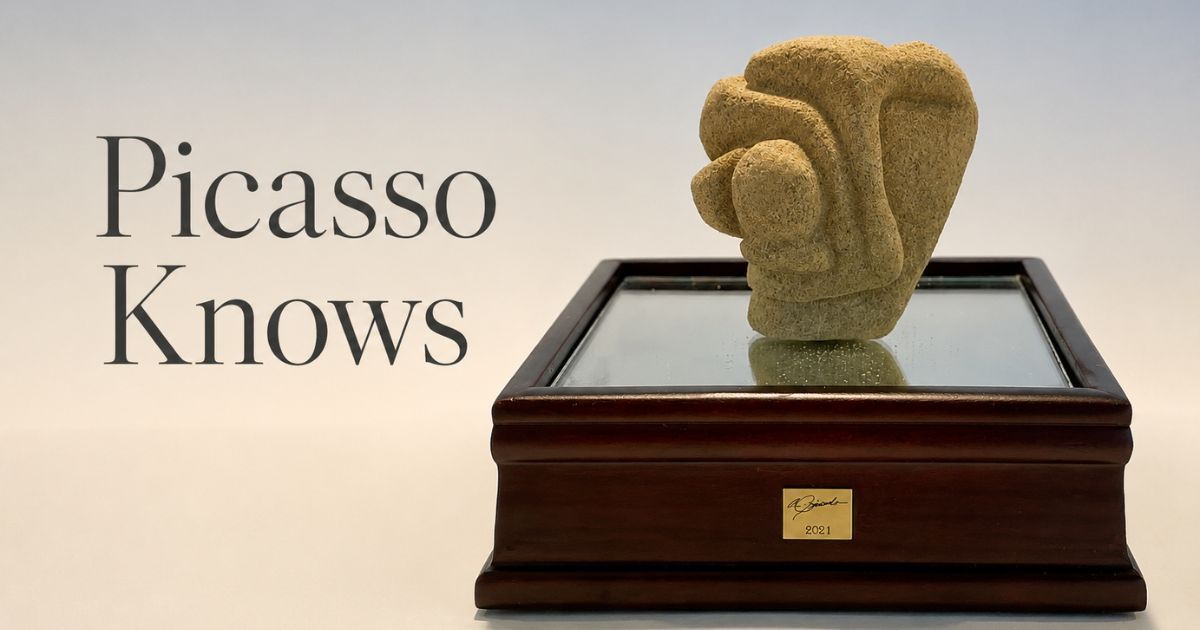
This blog explains whether small luxury art collectibles are a good investment in today’s art market. It covers value factors like artist reputation, rarity, craftsmanship, and emotional appeal. It also explains why small artworks are becoming popular in modern homes and how collectors choose them for both design and long-term value in simple, easy-to-understand language.
Art investment is not limited to large gallery walls anymore. The market has changed a lot in recent years. Smaller artworks are now getting strong attention from new and experienced collectors.
Many buyers today want to buy fine art for collectors not only for home styling but also for long-term value. At the same time, interest in buy fine art for collectors is also growing fast because people want art that fits modern living spaces without feeling heavy or oversized. So the real question is simple: Can small artworks actually be a good investment?
Let’s unpack it in this blog.
Small Art Is Gaining Real Attention
Earlier, large paintings and big sculptures were seen as the main investment pieces. That thinking is slowly changing. Modern homes are smaller. Interiors are cleaner. People want flexibility in how they style their spaces.
Because of this, small artworks are now becoming more relevant. They are easier to place, easier to move, and easier to adapt when interiors change. This shift has made compact art a strong part of today’s collecting culture.
Value Is Not Based On Size
One of the biggest myths in art collecting is that bigger means better value. That is not true. In real art markets, value depends on the artist’s skill, the idea behind the work, material quality, and rarity. Size is not the main factor.
A small artwork with strong artistic meaning can hold more value than a large decorative piece without depth. That is why many collectors prefer to buy fine art for collectors based on quality instead of scale. Small does not mean less important. It often means more focused.
Why Small Artworks Fit Modern Homes Better
Today’s interiors are very different from traditional homes. There is less wall clutter and more open space. In such settings, small artworks feel more natural. They do not overpower the room. Instead, they blend into shelves, corners, and table spaces.
They also work well in layered décor styles where multiple design elements come together softly. This flexibility is one of the biggest reasons small art is becoming popular among new collectors.
Emotional Connection Adds Meaning
Art is not only about financial value. It is also about personal connection. Small artworks often sit closer to daily life. They are placed on desks, side tables, or private corners. Because of this, people tend to build a stronger emotional bond with them. This emotional value does not always show up in numbers, but it plays an important role in long-term appreciation and collector interest.
Limited Availability Increases Demand
Scarcity is a key factor in art investment. Many small artworks are created in limited editions or as one-of-a-kind pieces. When supply is low, interest often stays strong. Collectors value pieces that are not widely available.
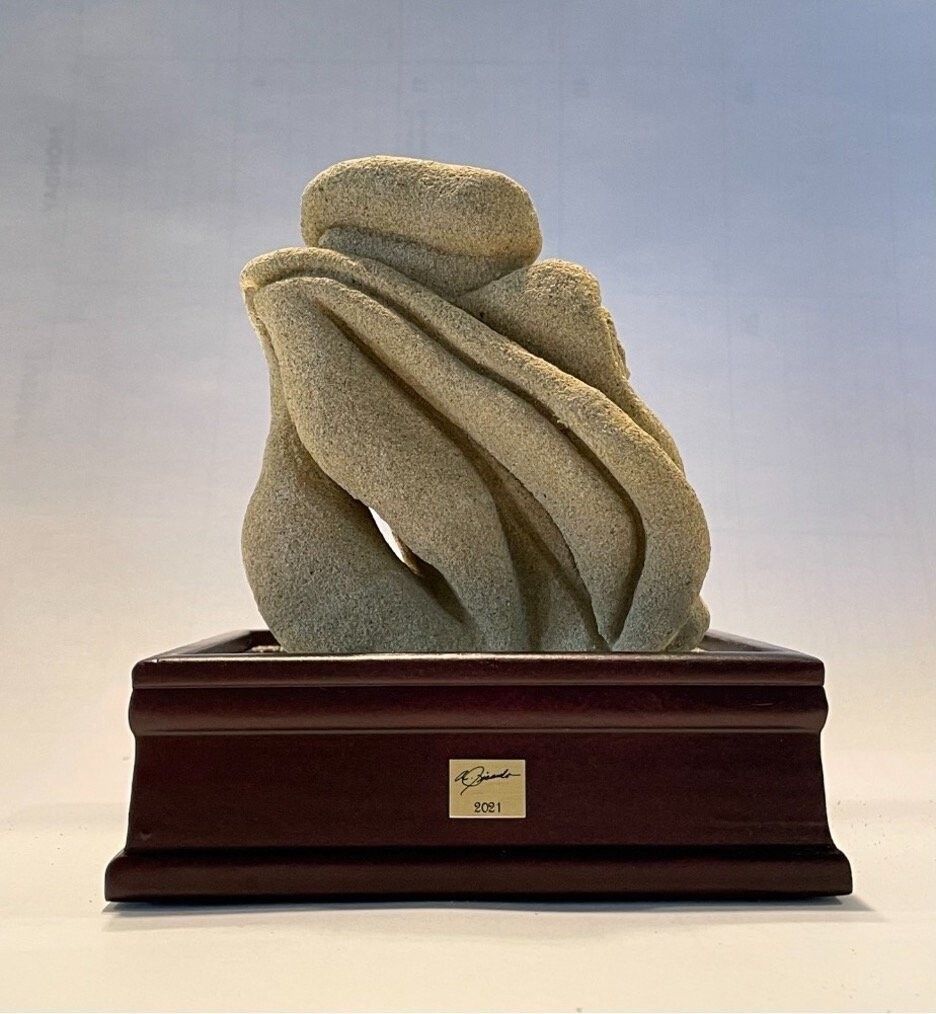
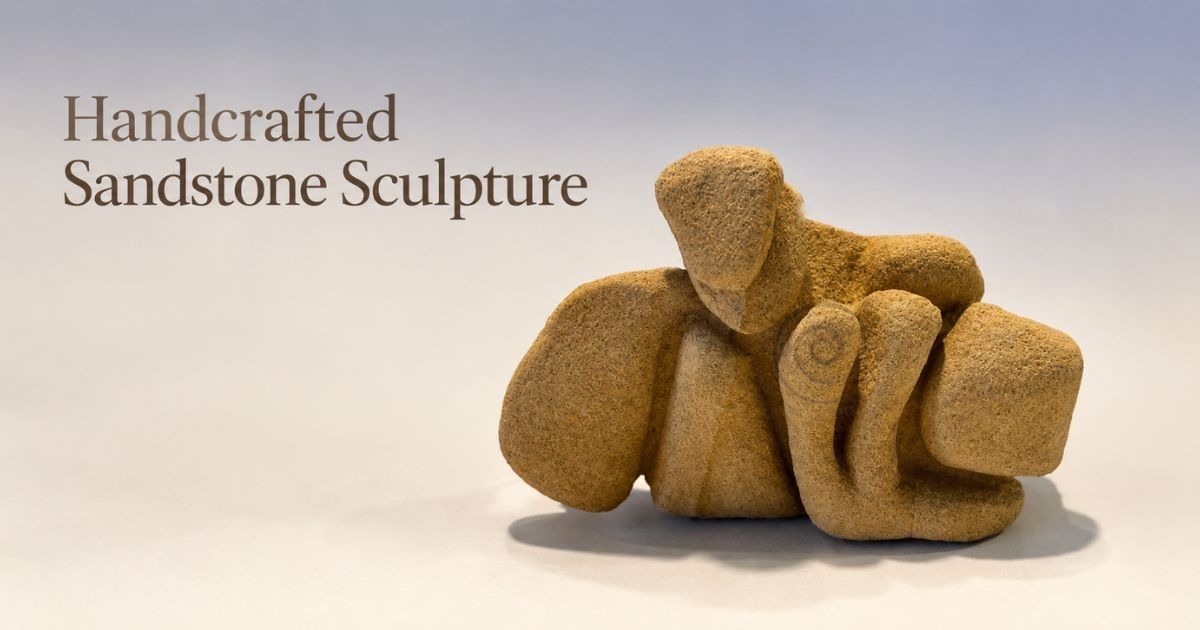
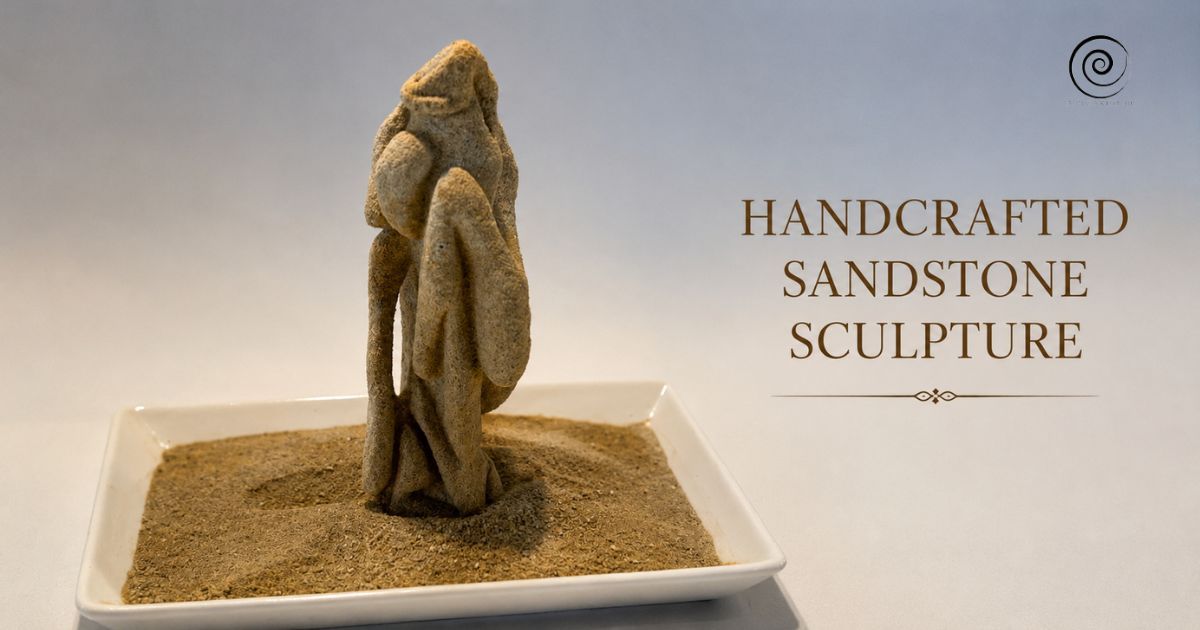
This is one of the reasons small luxury art collectibles are gaining attention in the modern art market. They combine limited availability with easy accessibility, which makes them attractive to both new and experienced buyers.
Detail Matters More In Small Formats
In smaller artworks, every detail becomes more visible. Texture, finish, and craftsmanship stand out clearly. There is no space to hide flaws or weak execution. This makes quality extremely important. A well-made small artwork can feel very powerful because the focus stays on pure form and material. This is also why collectors pay close attention when selecting compact pieces for investment.
Changing Collector Behavior
The art world is no longer limited to galleries and high-value auctions. New collectors are entering the space through online platforms and digital access. Many of them prefer starting small. They choose compact artworks first before building larger collections over time. This gradual approach is shaping demand for smaller pieces across the market. It has also made art collecting more open and accessible than before.
Easy Placement Adds Long-Term Value
Small artworks are very flexible when it comes to display. They can be placed on shelves, tables, consoles, or even grouped together on walls. This flexibility increases their usefulness in real homes. Unlike large pieces that stay fixed, small art can be moved and restyled easily. Because of this, collectors can keep their interiors fresh without changing major décor elements.
Market Trends Support Small Art Growth
Global trends show a steady rise in demand for smaller artworks. Online art platforms, international shipping, and digital galleries have made access much easier. Collectors can now explore artists from different regions without physical limitations. This has helped small artworks reach a wider audience.
The result is clear. Small-format art is no longer niche. It is becoming a strong segment in the global art market.
Are Small Art Collectibles A Good Investment?
The honest answer is yes, but with the right approach. Small artworks can be a good investment when they come from skilled artists, use quality materials, and have strong creative ideas behind them. Limited availability also plays an important role in long-term value.
However, not every piece will appreciate in value. Careful selection is important. Blind buying based on appearance alone is not a smart strategy.
How Smart Collectors Approach Small Art
Most experienced collectors focus on consistency and quality. They look for originality, strong execution, and lasting visual appeal. Instead of rushing, they slowly build collections over time. Many also buy fine art for collectors as a long-term decision rather than a quick purchase. This careful approach often leads to better value and stronger collections.
Small Art In Modern Living Spaces
Beyond investment, small artworks also play a big role in interior design today. They are used in living rooms, workspaces, bedrooms, and entry areas. They add personality without overwhelming the space. Their ability to fit into different environments makes them highly practical in modern homes.
Art That Speaks Volume
Small art is no longer secondary in the art world. It has become a strong category on its own. Its value comes from quality, creativity, rarity, and emotional connection rather than size.
For modern collectors, small luxury art collectibles offer a simple and practical entry into the art space. They fit real homes, adapt easily, and still bring strong artistic presence into everyday interiors.
A. Picardo Art presents a curated approach to contemporary sculpture and abstract forms, focusing on clean structure, material depth, and balanced visual language. The collection includes sculptural works and modern compositions designed to integrate naturally into refined living spaces. Explore more through https://www.apicardo.com/.
FAQs
1. Why are small artworks becoming popular among collectors?
Small artworks are easier to place in modern homes, especially in compact and minimal interiors. They also offer flexibility, emotional connection, and often come in limited editions, which increases interest.
2. What makes small art different from large artworks in value?
Value depends more on creativity, rarity, and craftsmanship rather than size. A small, well-executed artwork can hold stronger long-term value than a large decorative piece.
3. How do I choose the right small art piece for investment?
Focus on originality, material quality, artist background, and emotional connection. Avoid buying only based on trends or appearance.
4. Where can I explore small luxury art collectibles from your collection?
You can explore curated small luxury art collectibles through the official A. Picardo Art collection, designed for collectors who prefer compact yet impactful art pieces for modern spaces.
5. What style of interiors do your artworks suit best?
Our artworks suit modern, minimalist, and contemporary interiors. They also blend well with neutral, luxury, and architectural-style spaces.