How to Choose Modern Abstract Artwork for Your Home or Office

Overview: This blog explains how to choose modern abstract artwork for home or office spaces in a simple and practical way. It covers style selection, placement, emotional connection, and space planning. It also explores Frac-Art and Bonseki collections by A. Picardo Art and sees how modern abstract artwork for sale can enhance interiors with creativity, depth, and long-term visual appeal.
Choosing the right abstract artwork can completely change how a space feels. It’s not just about filling a blank wall. It’s about setting a mood, building identity, and adding personality to your environment. Whether it’s your home or office, modern abstract art has the power to make a space feel more intentional and visually alive.
If you’re drawn to curated collections like Frac-Art and Bonseki, A. Picardo Art is a strong starting point for exploring contemporary visual art. It brings together experimental visual art and sculptural minimalism in a way that feels fresh, contemporary, and globally relevant.
Here, you can explore modern abstract artwork for sale that fits both personal spaces and professional interiors without losing artistic depth.
Why Modern Abstract Artwork Matters More Than You Think
Modern abstract art is not about obvious subjects or realistic visuals. It focuses on emotion, movement, color, and personal interpretation, which is what makes it so powerful in interiors.
Unlike traditional art, abstract pieces don’t tell you exactly what to see—they allow you to experience and feel them in your own way. This is why abstract artwork is widely used in modern homes, offices, creative studios, luxury interiors, and boutique hospitality spaces.
It helps create a strong visual identity without feeling too literal or restrictive, making any space feel more designed, thoughtful, and complete.
Step 1: Understand the Energy of Your Space
Before picking any artwork, look at the space itself.
Ask simple questions:
- Is this space calm or energetic?
- Is it minimal or visually busy?
- Do I want focus or relaxation?
For example:
- Offices often need structured, focused energy
- Living rooms need warmth and emotional comfort
- Creative spaces need stimulation and inspiration
Modern abstract artwork should match or balance that energy—not fight it.
Step 2: Choose a Style That Speaks to You
Abstract art is not one-size-fits-all. It comes in many visual languages. Some people connect with bold color explosions. Others prefer soft minimal gradients. Some like structured geometry, while others enjoy chaotic expression.
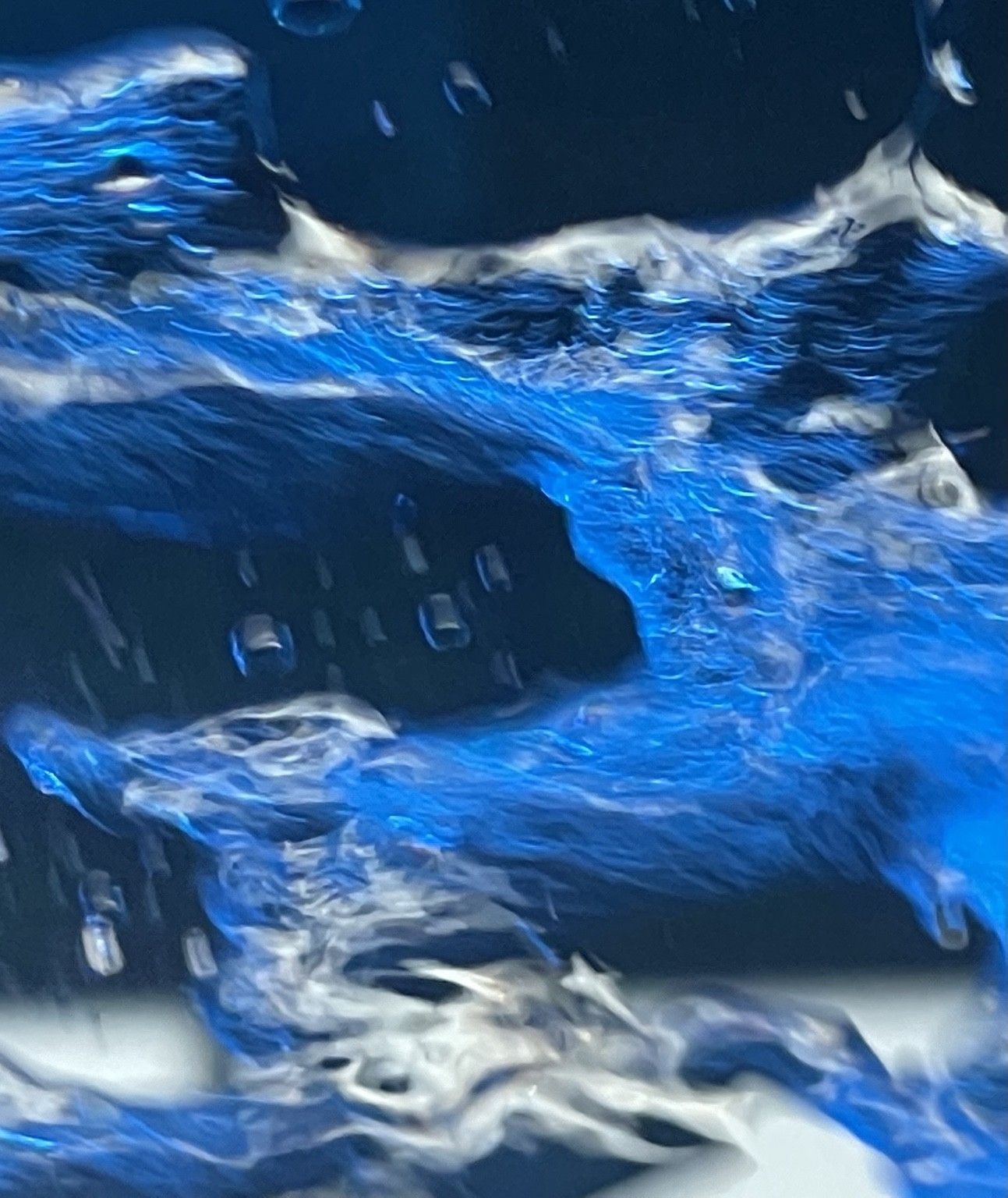
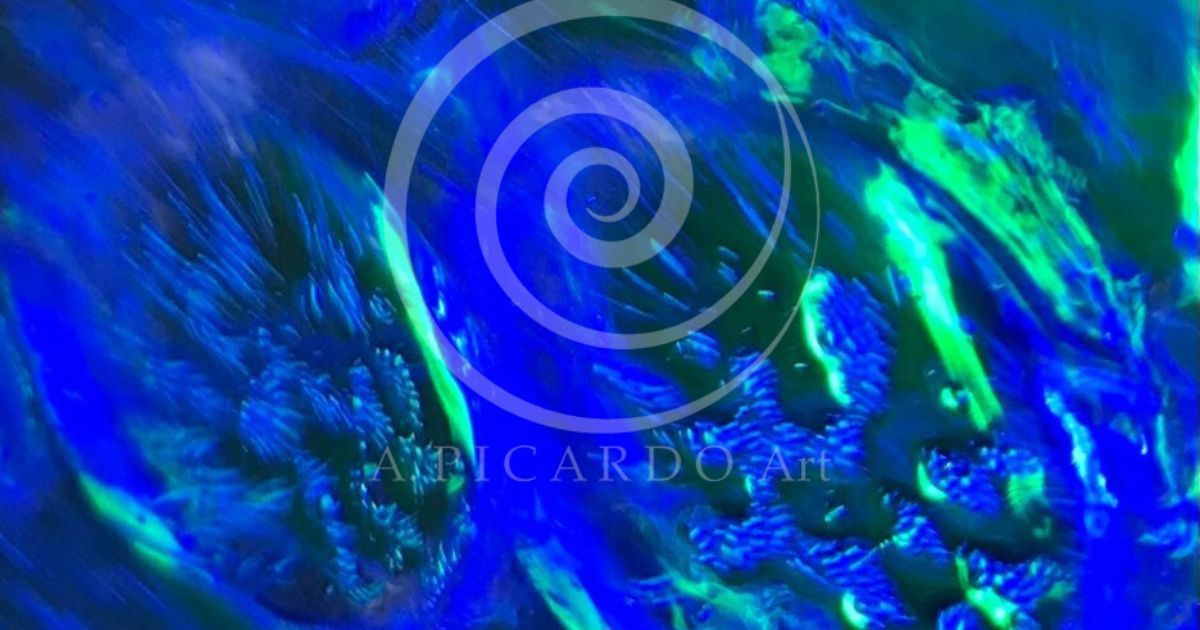
This is where collections like Frac-Art become interesting. It explores surreal visual dimensions through the idea of “fracturing the rainbow,” creating optical depth, unexpected color transitions, and abstract geometry that feels almost otherworldly.
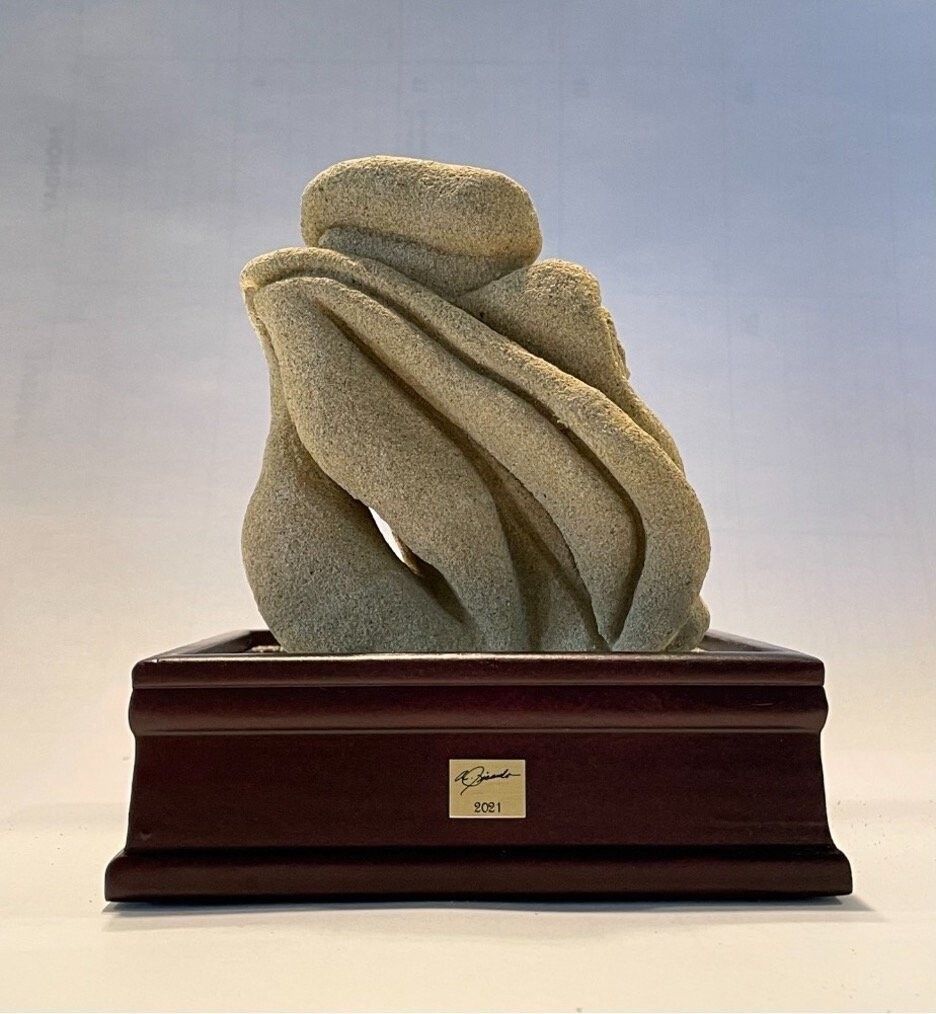
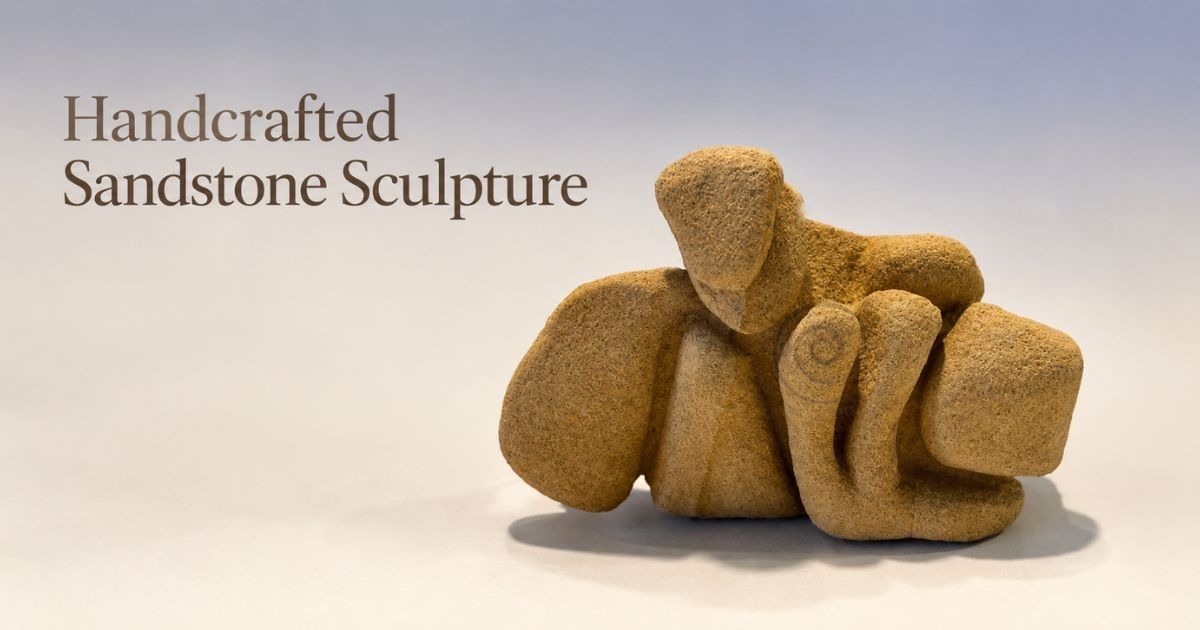
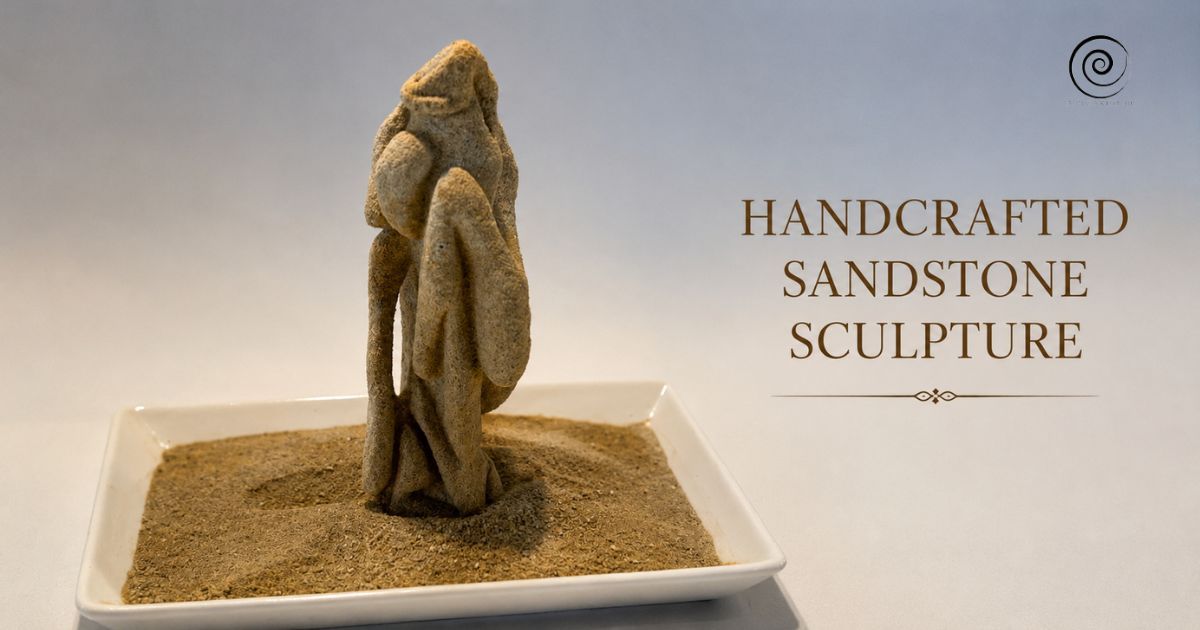
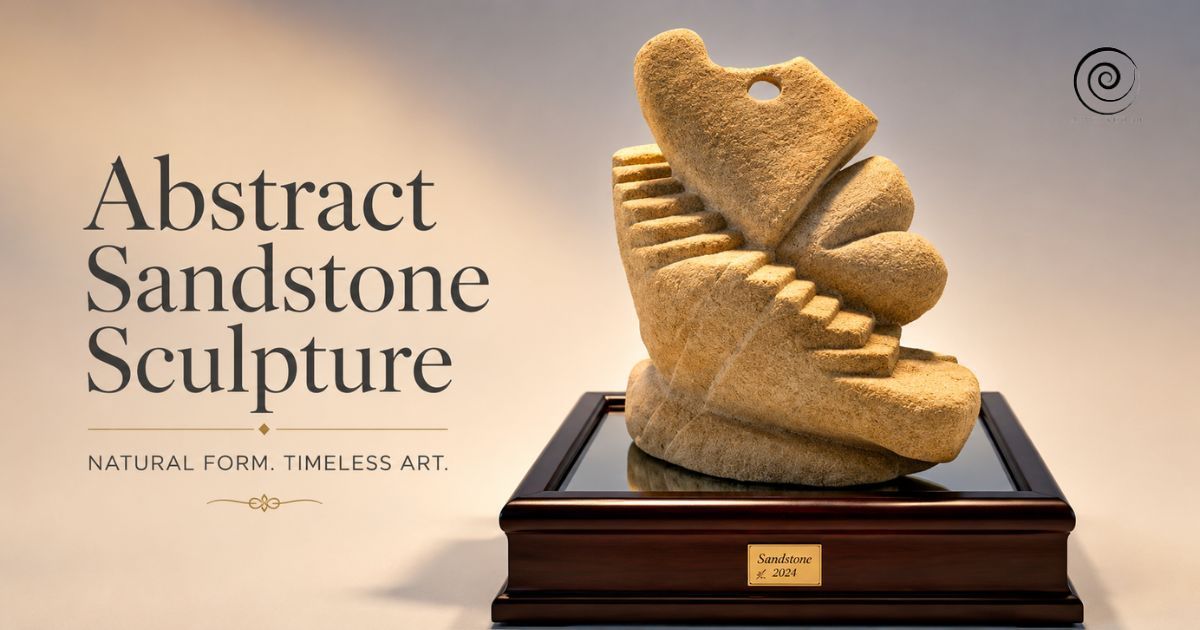
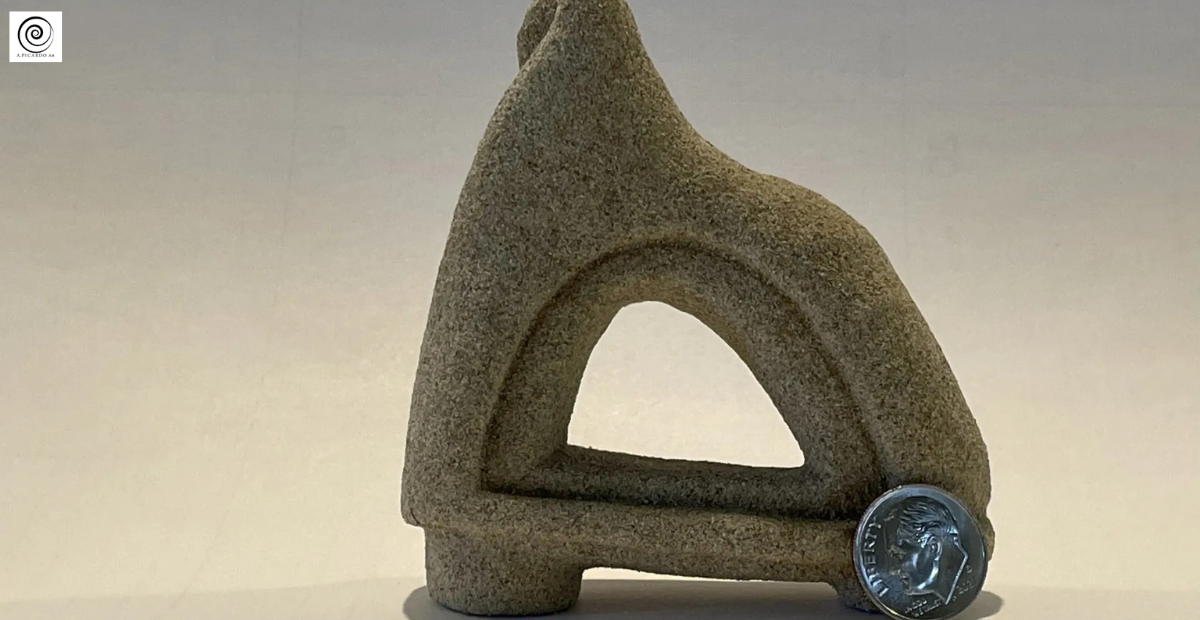
On the other hand, Bonseki offers a completely different mood—minimal, sculptural, and grounded in stone-based forms that reflect quiet elegance. Both styles show how abstract art can shift emotional tone completely.
Step 3: Think About Size and Placement
Size matters more than people think.
A small artwork on a large wall can feel lost. A very large piece in a tight space can feel overwhelming.
Here’s a simple guide:
- Large walls → oversized statement pieces
- Hallways → vertical or narrow compositions
- Offices → mid-sized focused pieces
- Small rooms → minimal or soft-toned artworks
Placement also changes impact:
- Eye-level = engagement
- Above furniture = balanced framing
- Entryway = strong first impression
Good placement makes even simple art feel premium.
Step 4: Focus on Emotion, Not Just Color
A common mistake is choosing art just because it matches the sofa or wall paint. That’s fine—but not enough.
Ask yourself:
● Does this piece hold my attention?
● Does it feel calming, exciting, or thought-provoking?
● Will I still enjoy it after months or years?
Great abstract art stays interesting because it reveals something new over time.
That’s especially true for experimental styles like Frac-Art, where color and form interact in layered ways, making the visual experience feel different every time you look at it.
Step 5: Consider Office vs Home Energy
Home and office spaces need different emotional tones.
For home: Go for warmth, softness, and emotional depth. Abstract art here should feel personal and expressive.
For office: Go for clarity, structure, and focus. Art should inspire productivity without distraction.
Modern abstract artwork for sale today is designed exactly for this flexibility, making it easier to find pieces that fit both environments without compromise.
Step 6: Don’t Ignore the Story Behind the Artwork
In modern collecting, story matters just as much as visuals.
For example:
- Frac-Art is built on experimental photographic transformation, where color spectrums are “fractured” to reveal surreal dimensions and optical illusions. It’s not just visual—it’s conceptual.
- Bonseki transforms ancient Japanese-inspired stone aesthetics into miniature collectible sculptures, combining sandstone craftsmanship with metallic finishes like gold, silver, and bronze.
When art has meaning, it naturally becomes more valuable emotionally—even if you’re not thinking about investment.
Step 7: Mix But Don’t Overcrowd
You don’t need to fill every wall. Modern interiors work best when art has space to breathe.
Instead of multiple small pieces everywhere, one strong abstract artwork can define the entire room. Less noise. More impact.
That’s the difference between decoration and curation.
Step 8: Trust Your Instinct (Seriously)
At the end of the day, abstract art is personal. You don’t need to “decode” it perfectly. If it feels right, it usually is.
Professionals often say the best pieces are the ones you keep coming back to in your mind, even after you’ve stopped looking at them.
That’s your instinct telling you something matters.
Find Art That Redefines Modern Interiors!
Choosing modern abstract artwork for your home or office is not about following strict rules. It’s about understanding space, emotion, and personal connection. The right piece doesn’t just decorate a wall—it transforms how the entire environment feels.
Whether you’re drawn to surreal color explorations or minimal sculptural forms, contemporary collections like Frac-Art and Bonseki offer very different but equally powerful visual experiences.
If you’re exploring modern abstract artwork for sale, it’s worth focusing on pieces that balance creativity, depth, and long-term visual appeal. To discover curated examples and understand how Frac-Art and Bonseki redefine contemporary abstract expression in both photographic and sculptural forms, visit A. Picardo Art and explore the collections.
FAQs
1. What is modern abstract artwork?
Modern abstract artwork focuses on emotion, color, and form instead of realistic subjects. It allows viewers to interpret meaning based on personal feeling and perception.
2. How do I choose modern abstract artwork for my home?
Choose artwork based on space, mood, and emotion. The right piece should complement interiors while creating a strong visual identity and personal connection.
3. Is modern abstract artwork suitable for offices?
Yes, modern abstract artwork works well in offices. It enhances creativity, improves ambiance, and creates a professional yet inspiring visual environment.
4. How do Frac-Art pieces differ from traditional abstract art?
Frac-Art uses experimental photographic techniques to “fracture the rainbow,” creating surreal visuals, unique color spectrums, and abstract geometric compositions unlike traditional artwork.
5. What makes Bonseki sculptures unique?
Bonseki sculptures are handcrafted miniature stone artworks inspired by Japanese traditions. Each piece is unique, using sandstone and metallic finishes like gold and bronze.